
Info
Legal
© 2025 Feels Co.
Carrie's walk and outfit through NYC gets ruined by water

Hand pointing up icon Summary & key points

Carrie Bradshaw is walking through New York City and plotting her next move right before a car passing by splashes her with water.

Hand pointing up icon Summary & key points

In the hit movie Arrival, Dr. Louise Banks, played by Amy Adams, explains to her military counterpart why she must teach the alphabet to aliens that recently arrived on Earth for an unknown purpose.
Feels Score: 9 in

Hand pointing up icon Summary & key points

In the hit movie The Fast and the Furious: Tokyo Drift (2006), outlaw teenager Sean Boswell finds himself in Japan after getting kicked out of America by the law and his own mother. After befriending a car enthusiast at school, he's in an underground car enthusiast meetup focused on a style of racing called drifting. As he's walking around, Sean spots a girl from his class and begins flirting with her while discussing technical aspects of car engines. Soon, though, the girl's boyfriend notices and walks over to join the conversation. Sean doesn't realize that the man is part of the crime family known as the Yakuza, and continues taunting him. Despite warnings from two people, Sean decides to race DK ("Drift King") after being allowed to borrow another character's car. Sean bombs the race, wrecks the car, and eats his words because of his inexperience with the drift style of racing. Sean's inability to self-monitor his aggression and impulses in a dangerous, novel setting demonstrates a total lack of the Apperception attribute.
Feels Score: 1 in
Mister Terrific walking feels like he's a man on a mission

Hand pointing up icon Summary & key points

Mister Terrific is shown walking out of the Justice League's dedicated base – the Watchtower. His colorful outfit and strong look makes it clear that he means business.
Arrival movie linguist introduces herself to aliens: "I am Louise ... Who are you?"

Hand pointing up icon Summary & key points

Top linguist Dr. Louise Banks introduces herself to the aliens that landed on earth.

Hand pointing up icon Summary & key points

In season 3, episode 16 ("The One with the Morning After") of the hit TV show Friends (1997), Ross Geller is confronted for cheating by his romantic partner, Rachel. Ross insists on talking about it. Rachel asks him many penetrating questions about the encounter, and Ross is both open and honest. Rachel attacks him physically after many of his answers. Ross' habit of thoroughly and readily answering Rachel's "trap" questions demonstrate the Volubility attribute.
Feels Score: 8 in

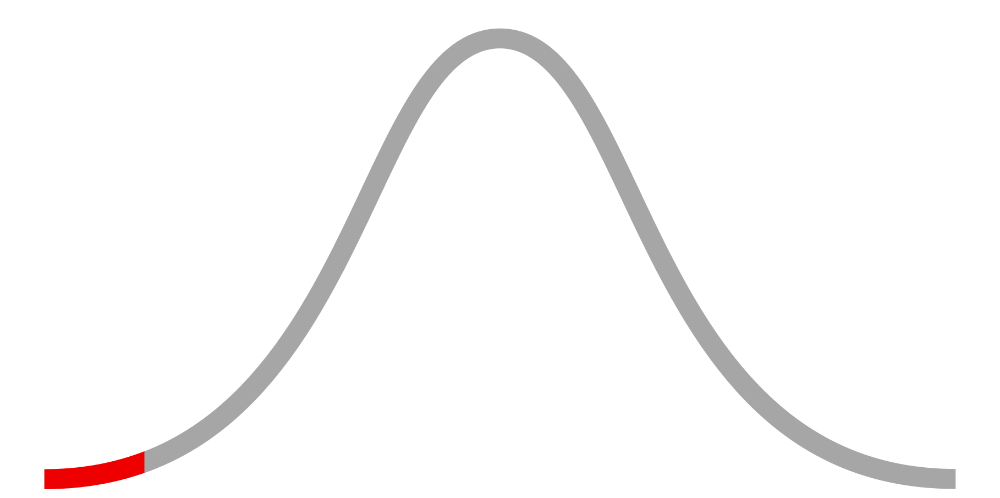
Ultra Low

0–5% percentile
An ultra low attribute score is exceptionally rare because it represents 5% of the entire population. In a room with 100 other people, a person with an ultra low attribute score would be lower than 95 of them and higher than none of them.
Note: Feels uses a 9-point scoring scale that ranges from Ultra Low to Ultra High according to a normal distribution. See our methodology.

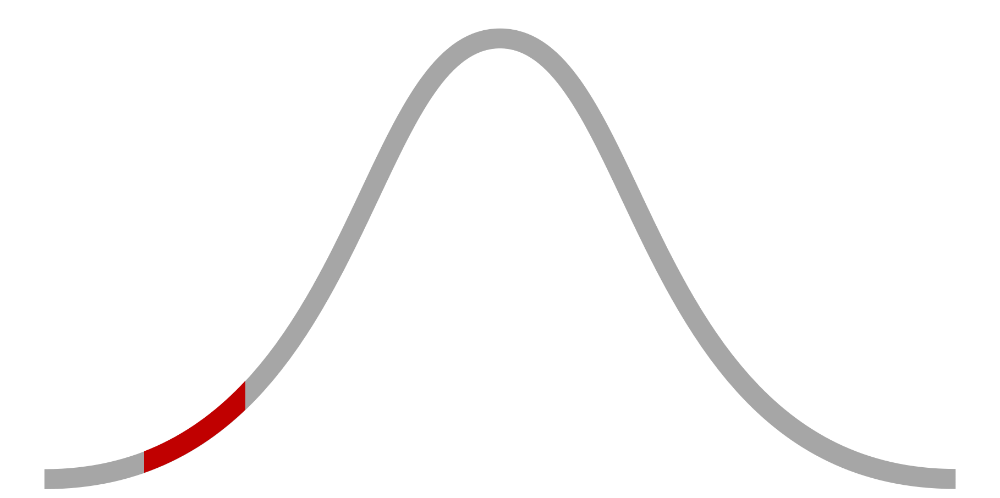
Very Low

5–10% percentile
A very low attribute score is rare because it represents 5% of the entire population. In a room with 100 other people, a person with a very low attribute score would be higher than five of them and lower than 90 of them.
Note: Feels uses a 9-point scoring scale that ranges from Ultra Low to Ultra High according to a normal distribution. See our methodology.

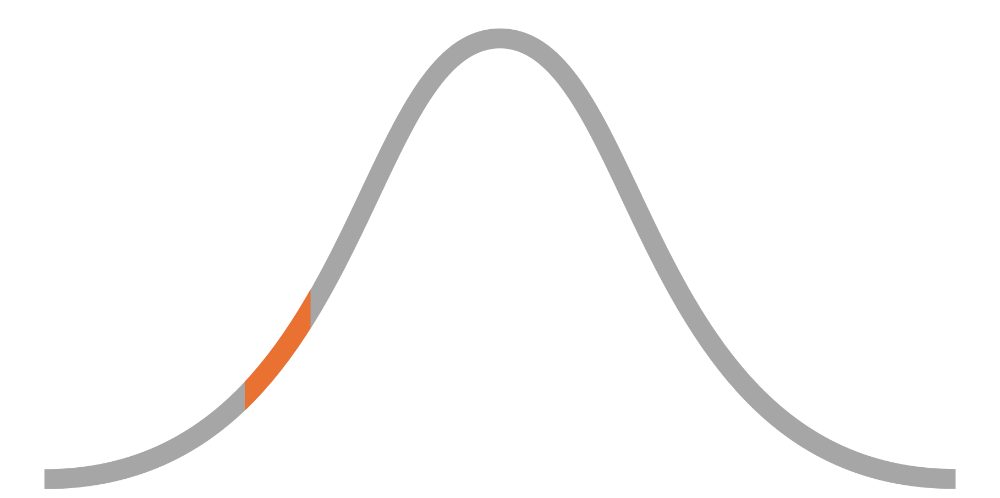
Low

10–20% percentile
A low attribute score is somewhat uncommon and represents 10% of the entire population. In a room with 100 other people, a person with a low attribute score would be higher than ten of them and lower than 80 of them.
Note: Feels uses a 9-point scoring scale that ranges from Ultra Low to Ultra High according to a normal distribution. See our methodology.

Slightly Low

20–40% percentile
A slightly low attribute score is common and represents 20% of the entire population. In a room with 100 other people, a person with a slightly low attribute score would be higher than 20 of them and lower than 60 of them.
Note: Feels uses a 9-point scoring scale that ranges from Ultra Low to Ultra High according to a normal distribution. See our methodology.

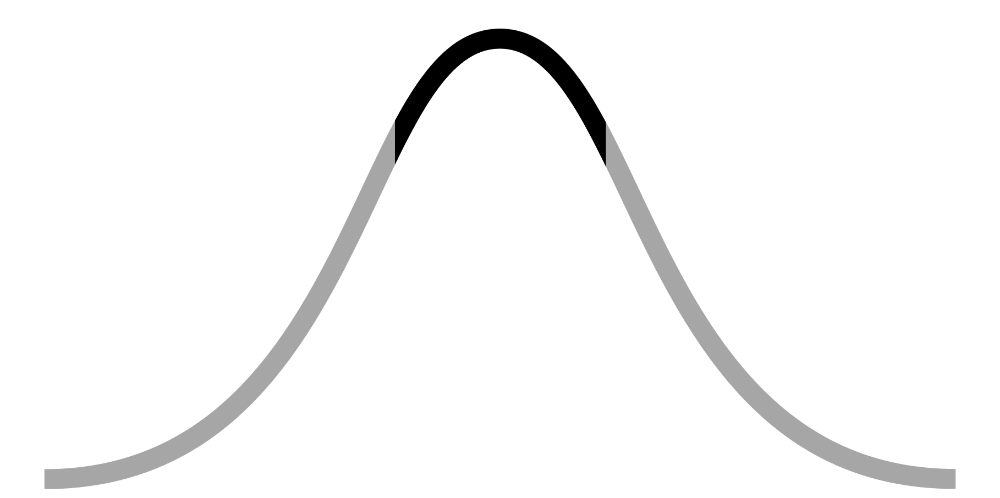
Average

40–60% percentile
An average attribute score is typical and represents 20% of the entire population. In a room with 100 other people, a person with an average attribute score would be higher than 40 of them and lower than 40 of them.
Note: Feels uses a 9-point scoring scale that ranges from Ultra Low to Ultra High according to a normal distribution. See our methodology.

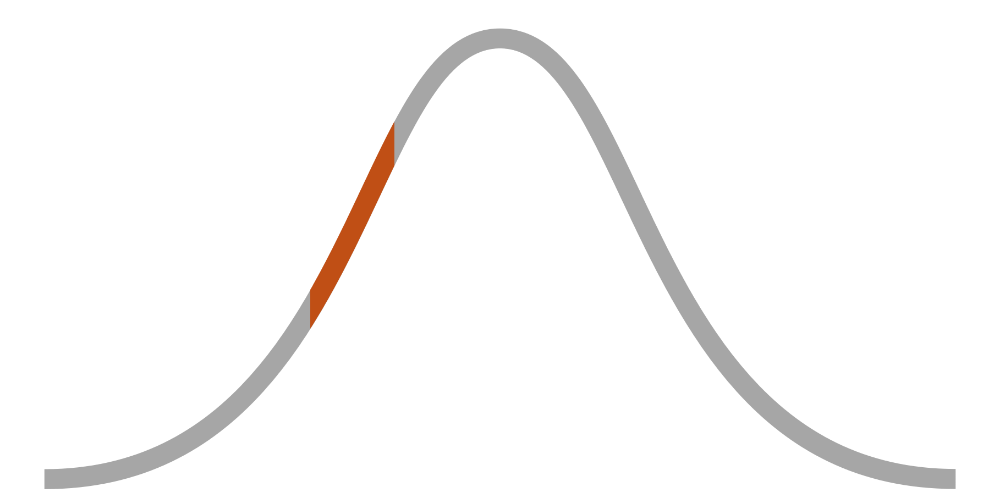
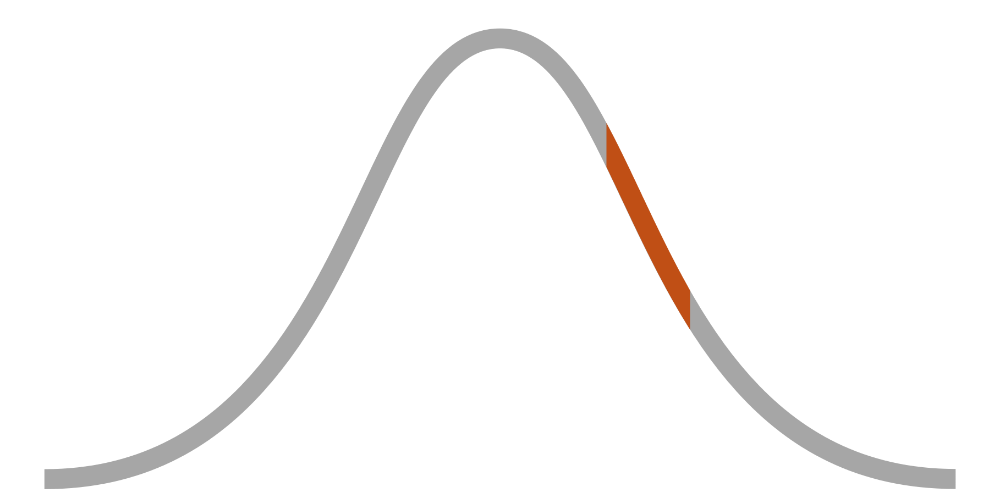
Slightly High

60–80% percentile
A slightly high attribute score is common and represents 20% of the entire population. In a room with 100 other people, a person with a slightly high attribute score would be higher than 60 of them and lower than 20 of them.
Note: Feels uses a 9-point scoring scale that ranges from Ultra Low to Ultra High according to a normal distribution. See our methodology.

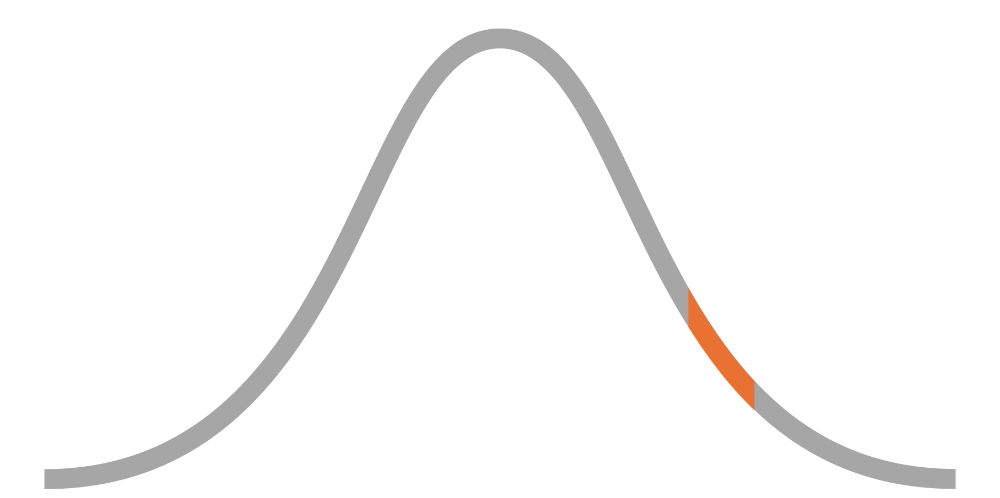
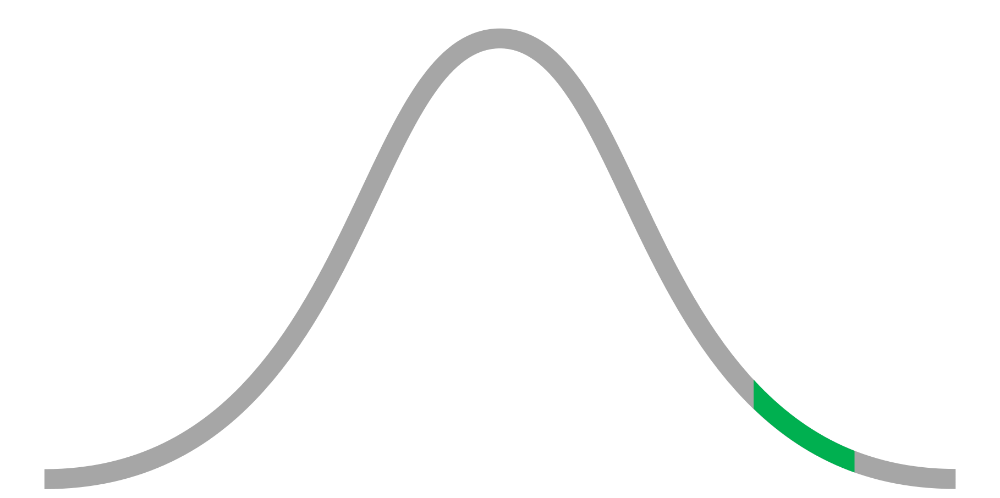
High

80–90% percentile
A high attribute score is somewhat uncommon and represents 10% of the entire population. In a room with 100 other people, a person with a high attribute score would be higher than 80 of them and lower than 10 of them.
Note: Feels uses a 9-point scoring scale that ranges from Ultra Low to Ultra High according to a normal distribution. See our methodology.

Very High

90–95% percentile
A very high attribute score is rare because it represents 5% of the entire population. In a room with 100 other people, a person with a very high attribute score would be higher than 90 of them and lower than five of them.
Note: Feels uses a 9-point scoring scale that ranges from Ultra Low to Ultra High according to a normal distribution. See our methodology.

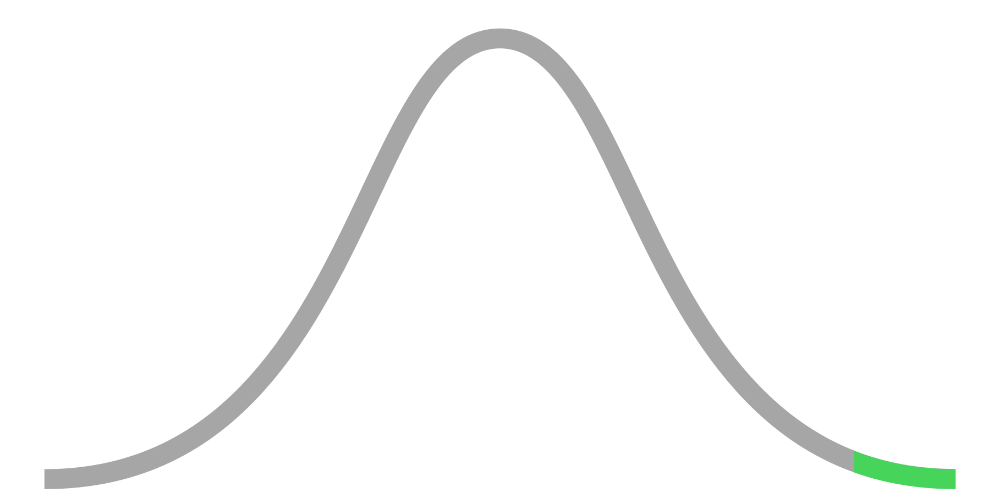
Ultra High

95–100% percentile
An ultra high attribute score is exceptionally rare because it represents 5% of the entire population. In a room with 100 other people, a person with an ultra high attribute score would be higher than 95 of them and lower than none of them.
Note: Feels uses a 9-point scoring scale that ranges from Ultra Low to Ultra High according to a normal distribution. See our methodology.