
Info
Legal
© 2025 Feels Co.
Mister Terrific walking feels like he's a man on a mission

Hand pointing up icon Summary & key points

Mister Terrific is shown walking out of the Justice League's dedicated base – the Watchtower. His colorful outfit and strong look makes it clear that he means business.

Hand pointing up icon Summary & key points

In the hit movie Arrival, Dr. Louise Banks, played by Amy Adams, explains to her military counterpart why she must teach the alphabet to aliens that recently arrived on Earth for an unknown purpose.
Feels Score: 9 in

Hand pointing up icon Summary & key points

In the hit movie The Batman (2022), a young Bruce Wayne played by Robert Pattinson delivers an opening monologue via a journal entry on a rainy night after the Mayor of Gotham City has been murdered. Batman describes the weather, presence of people, his years-long night-time habits, and nature of crime in the city. He notes that "fear is a tool" for would-be criminals because the city is too large and he can't be everywhere. The clip shows crime scenes in progress and ends with Batman stating that because of fear, "They think I'm hiding in the shadows – but I am the shadows." Batman seldomly uses language related to sensory perception, and instead focuses on describing people and crime, which demonstrates a below-average example of the Sensation attribute.
Feels Score: 4 in

Hand pointing up icon Summary & key points

In Superman (2025), Lex Luthor gains access to Superman's fortress in Antarctica. The intruders subdue every threat, including Superman's dog. Lex then comments how Superman (Clark Kent) is not a "man," but an "it," and proceeds to make negative remarks about Superman's appearance and fame.
Feels Score: 7 in

Hand pointing up icon Summary & key points

In the hit movie There Will Be Blood (2007), Daniel Plainview (played by Daniel Day Lewis) is a silver-miner turned oil tycoon during the California oil rush in the late 1800s. Plainview gained his fortune by purchasing land that had oil, and by using cunning tactics against those in competition with him. When he encounters Eli Sunday, a man devoted to his faith, Plainview tricks him and his family for land that contains oil. Years later, Eli is a radio preacher and visits a wealthy but intoxicated Plainview at his bowling alley. Eli sought to propose a partnership for land, but Plainview demands that Eli renounce his faith. As Eli becomes more upset, Plainview discloses that he took all the oil and berates Eli for his life outcomes. The drainage of oil from land served as the figure of speech for Plainview's iconic phrase: "I drink your milkshake." As Eli cries, Plainview attacks him mercilessly. The clips' dialogue contains many words and phrases related to negative affect, particularly humiliation and taunting. This, and Plainview's excitement over Eli's sad state demonstrates a well above-average example of the Emotion attribute.
Feels Score: 7 in

Hand pointing up icon Summary & key points

In the hit movie The Twilight Saga: Breaking Dawn: Part 1 (2011), vampire Edward Cullen is enjoying his wedding with his non-vampire bride Bella. After others, he gives his own wedding speech and proceeds to make a toast. Edward's remarks are brief but emotive and powerful. Edward's brevity, overall clarity, and use of mildly complex metaphor demonstrate an above-average example of the Readability attribute.

Feels Score: 6 in

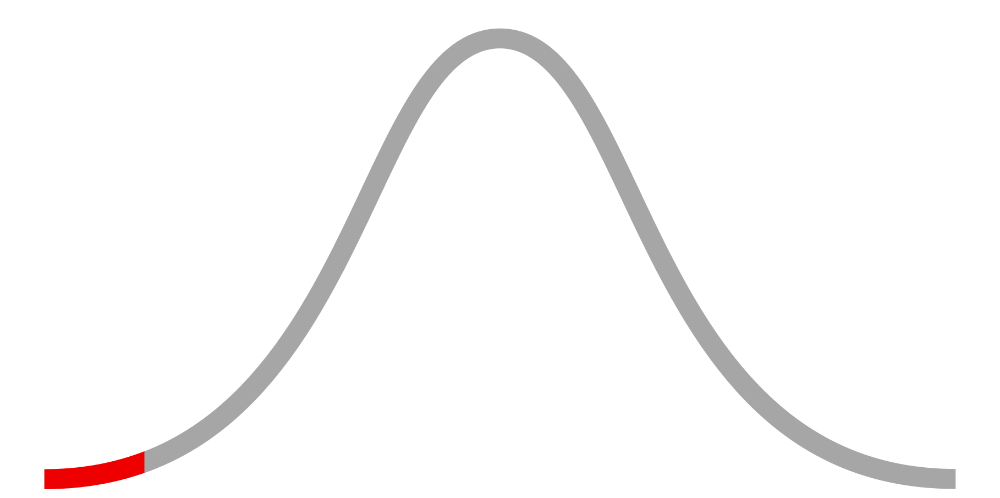
Ultra Low

0–5% percentile
An ultra low attribute score is exceptionally rare because it represents 5% of the entire population. In a room with 100 other people, a person with an ultra low attribute score would be lower than 95 of them and higher than none of them.
Note: Feels uses a 9-point scoring scale that ranges from Ultra Low to Ultra High according to a normal distribution. See our methodology.

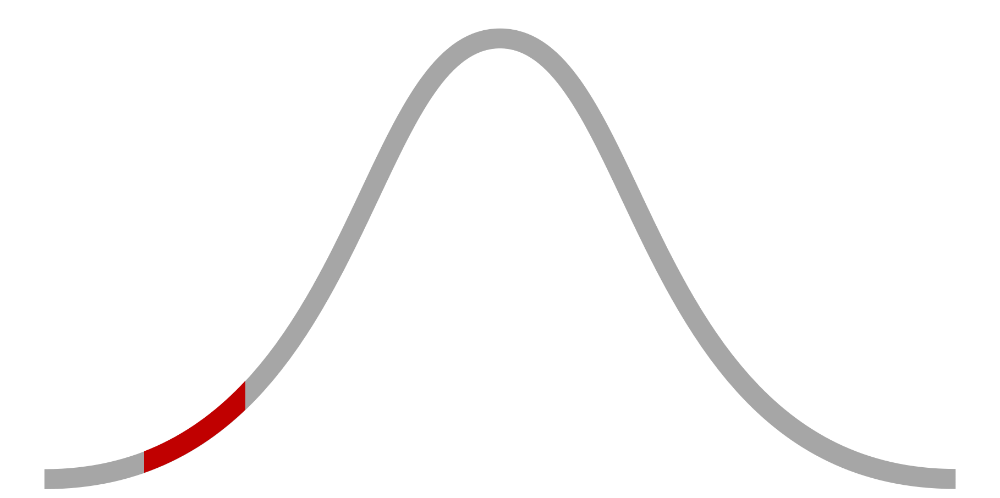
Very Low

5–10% percentile
A very low attribute score is rare because it represents 5% of the entire population. In a room with 100 other people, a person with a very low attribute score would be higher than five of them and lower than 90 of them.
Note: Feels uses a 9-point scoring scale that ranges from Ultra Low to Ultra High according to a normal distribution. See our methodology.

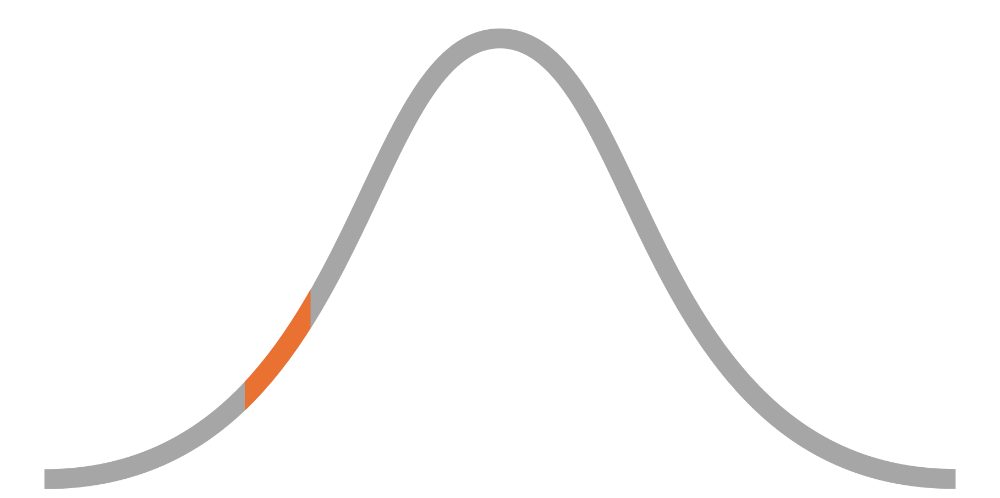
Low

10–20% percentile
A low attribute score is somewhat uncommon and represents 10% of the entire population. In a room with 100 other people, a person with a low attribute score would be higher than ten of them and lower than 80 of them.
Note: Feels uses a 9-point scoring scale that ranges from Ultra Low to Ultra High according to a normal distribution. See our methodology.

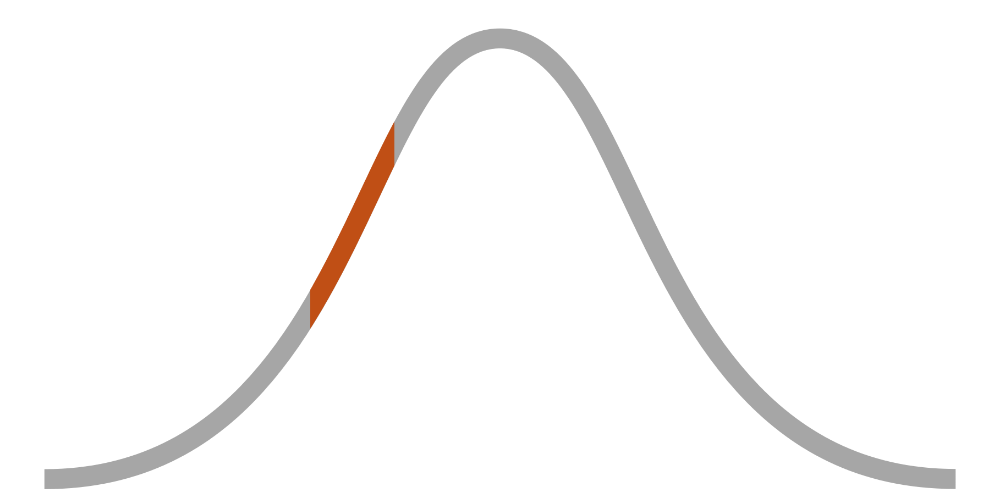
Slightly Low

20–40% percentile
A slightly low attribute score is common and represents 20% of the entire population. In a room with 100 other people, a person with a slightly low attribute score would be higher than 20 of them and lower than 60 of them.
Note: Feels uses a 9-point scoring scale that ranges from Ultra Low to Ultra High according to a normal distribution. See our methodology.

Average

40–60% percentile
An average attribute score is typical and represents 20% of the entire population. In a room with 100 other people, a person with an average attribute score would be higher than 40 of them and lower than 40 of them.
Note: Feels uses a 9-point scoring scale that ranges from Ultra Low to Ultra High according to a normal distribution. See our methodology.

Slightly High

60–80% percentile
A slightly high attribute score is common and represents 20% of the entire population. In a room with 100 other people, a person with a slightly high attribute score would be higher than 60 of them and lower than 20 of them.
Note: Feels uses a 9-point scoring scale that ranges from Ultra Low to Ultra High according to a normal distribution. See our methodology.

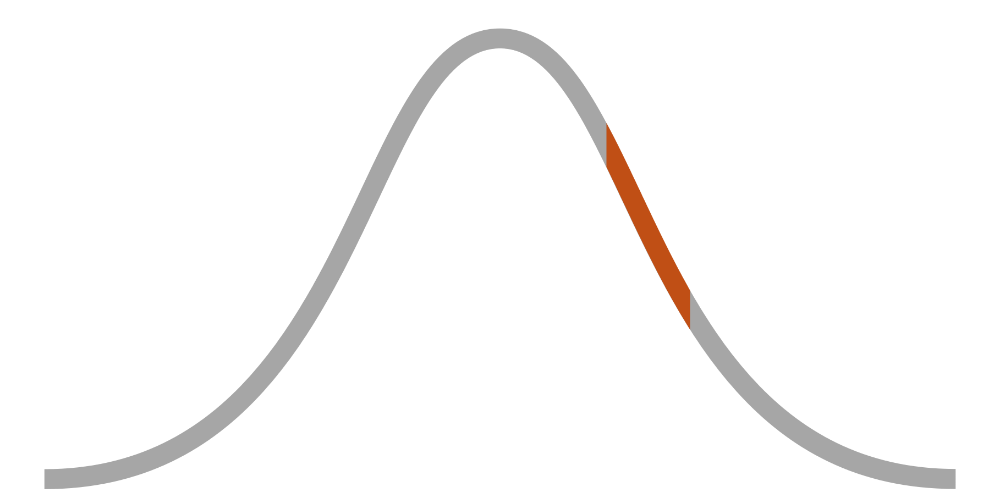
High

80–90% percentile
A high attribute score is somewhat uncommon and represents 10% of the entire population. In a room with 100 other people, a person with a high attribute score would be higher than 80 of them and lower than 10 of them.
Note: Feels uses a 9-point scoring scale that ranges from Ultra Low to Ultra High according to a normal distribution. See our methodology.

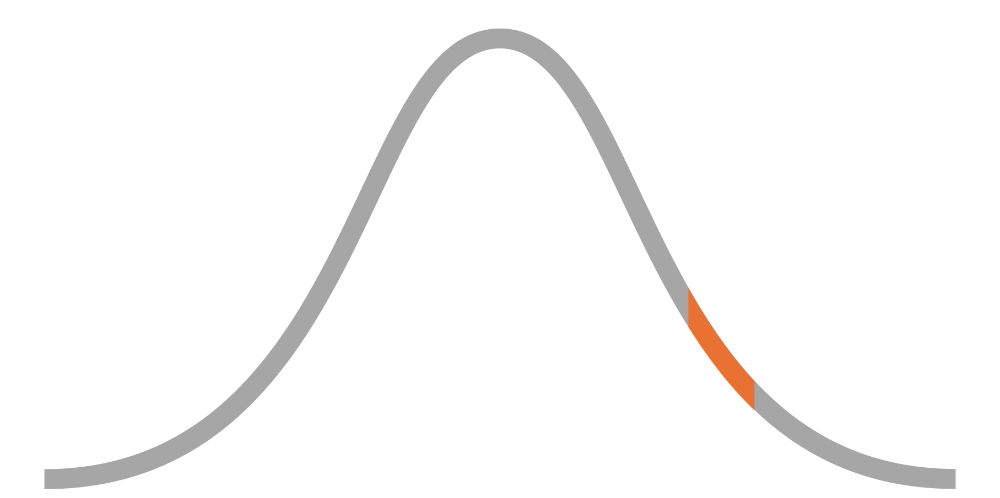
Very High

90–95% percentile
A very high attribute score is rare because it represents 5% of the entire population. In a room with 100 other people, a person with a very high attribute score would be higher than 90 of them and lower than five of them.
Note: Feels uses a 9-point scoring scale that ranges from Ultra Low to Ultra High according to a normal distribution. See our methodology.

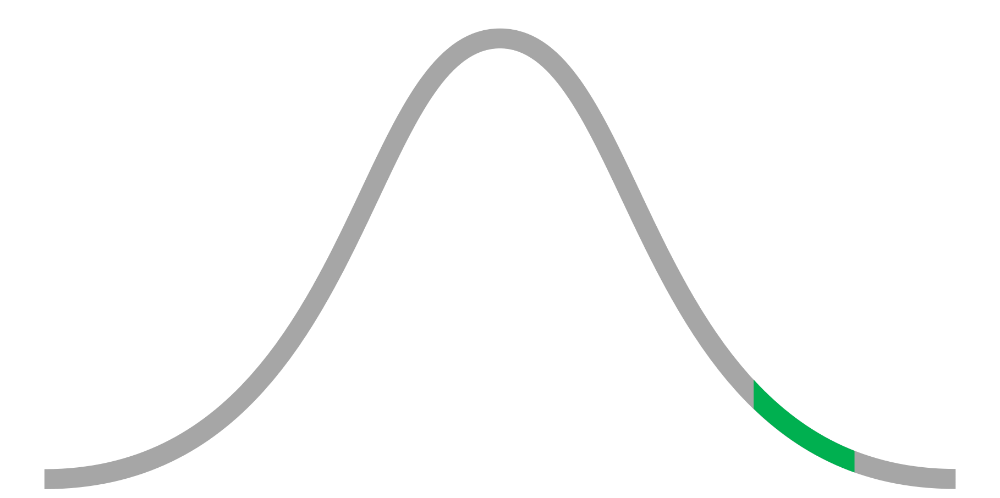
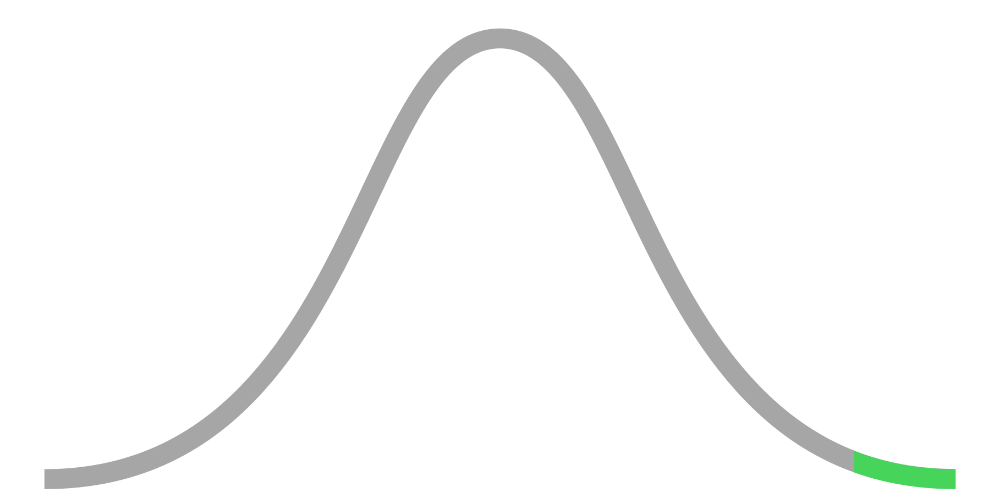
Ultra High

95–100% percentile
An ultra high attribute score is exceptionally rare because it represents 5% of the entire population. In a room with 100 other people, a person with an ultra high attribute score would be higher than 95 of them and lower than none of them.
Note: Feels uses a 9-point scoring scale that ranges from Ultra Low to Ultra High according to a normal distribution. See our methodology.