
Oleksandr Usyk's walkout in his 2024 fight against Tyson Fury was one for the record books. Given the bright lights and costume, it's no wonder he felt ready to fight. He also won the fight.
In season 6, episode 10 of the hit HBO show called Game of Thrones (2003), Cersei Lannister is about to execute a plan to blow up the location of her trial – and she's notably absent. Of all people present, only Margaery Tyrell knows what's really going on. Margaery interrupts the high priest and explains that Cersei's absence is not intentional, but calculated. Margaery infers there is danger and urges everyone to leave, even at the expense of her normally polite demeanor. Sure enough, the building soon exploded as Cersei watched in satisfaction. Margaery's ability to engage in 'mental time travel' is demonstrated with her explanation as to why Cersei was not there, as well as her urge to exit the premises. This dialogue and behavior highlights the Inference attribute, even if it was too late for her character.
In Superman (2025), Lex Luthor is confronted by Superman (Clark Kent) for stealing his dog. Superman storms in Lex's office in the city and flips his desk, demanding to know the location of his dog, Krypto. Lex lies to Superman while holding a stern glaze and sipping his coffee. Lex then makes a comment under his breath about how the dog wears a cape, making it plain to all that Lex in fact stole Superman's dog. Lex's ability to deceive Superman while giving himself away demonstrates an above-average example of the Apperception attribute.
On November 19, 2018, rapper and actor Snoop Dogg earned a coveted star on the famous Hollywood Walk Of Fame. During his brief acceptance speech, the well-dressed Snoop Dogg thanked the usual suspects: family, friends, coworkers, people who believed in him, and so forth. A few minutes in, he began saying "I wanna thank me for ..." this and that. The crowd laughed and the rapper received mixed reactions online. Snoop Dogg's candid responses were not deeply personal, but more general and humorous. This level of disclosure in front of a live audience demonstrates an average example of the Volubility attribute.
In the first season of the hit show The Summer I Turned Pretty (2022), Isabel "Belly" Conklin discovers what happens when she gets attention from boys around her. In this clip, Belly is at a convenience store snacking when she notices the clerk admiring her from afar. She seems to feel both surprised and flattered.

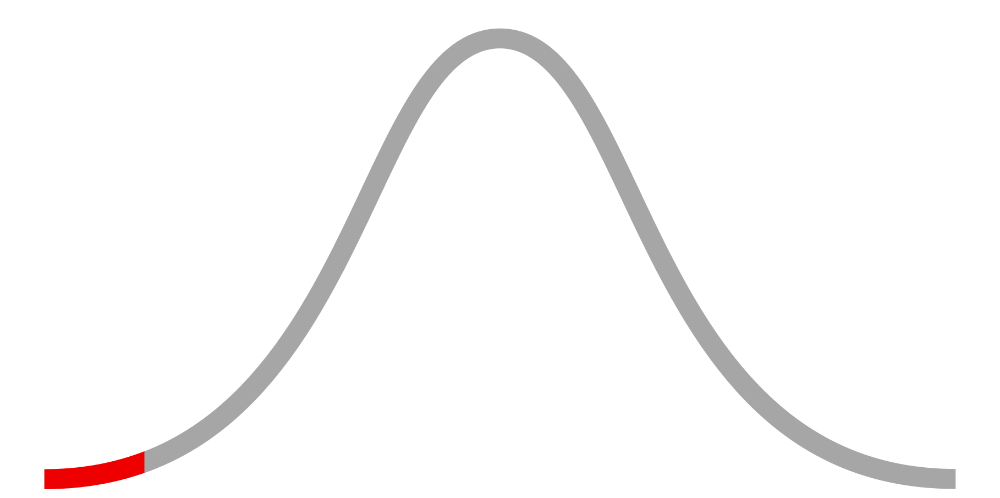
An ultra low attribute score is exceptionally rare because it represents 5% of the entire population. In a room with 100 other people, a person with an ultra low attribute score would be lower than 95 of them and higher than none of them.
Note: Feels uses a 9-point scoring scale that ranges from Ultra Low to Ultra High according to a normal distribution. See our methodology.
Very Low
5–10% percentile
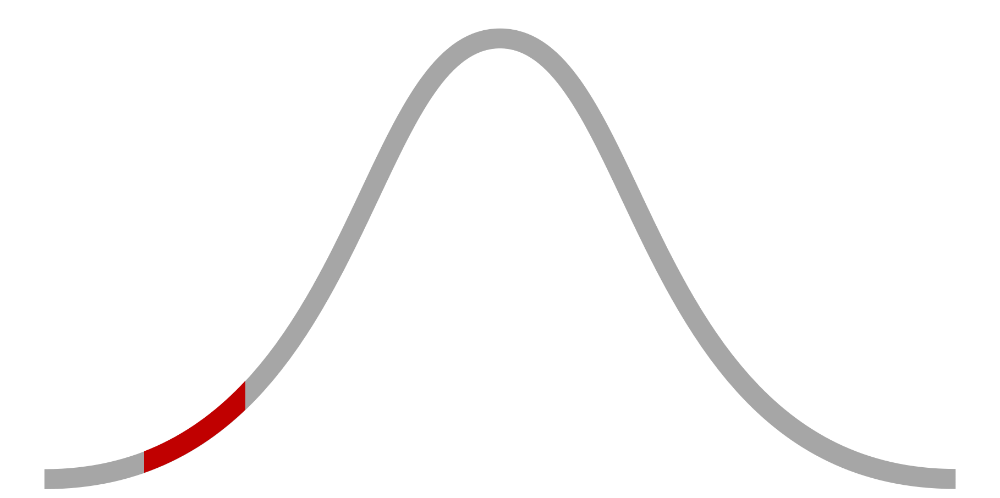
A very low attribute score is rare because it represents 5% of the entire population. In a room with 100 other people, a person with a very low attribute score would be higher than five of them and lower than 90 of them.
Note: Feels uses a 9-point scoring scale that ranges from Ultra Low to Ultra High according to a normal distribution. See our methodology.
Low
10–20% percentile
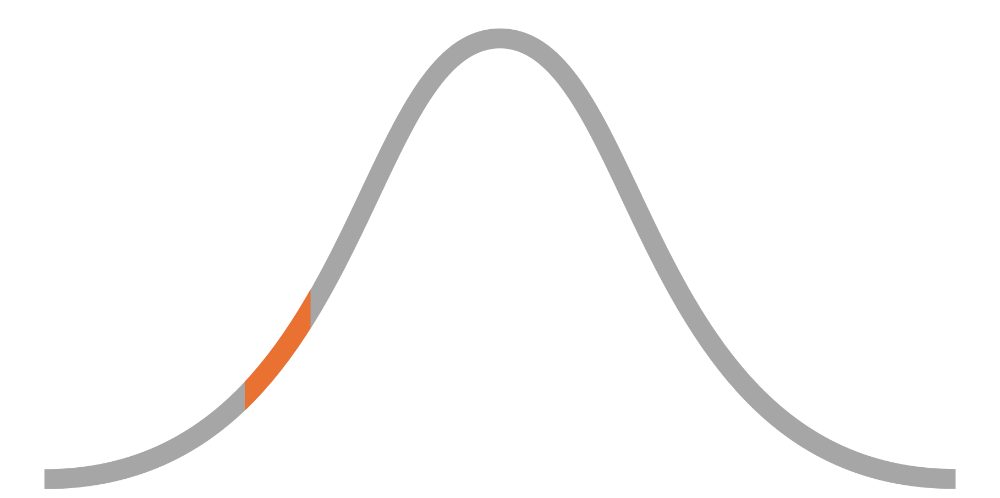
A low attribute score is somewhat uncommon and represents 10% of the entire population. In a room with 100 other people, a person with a low attribute score would be higher than ten of them and lower than 80 of them.
Note: Feels uses a 9-point scoring scale that ranges from Ultra Low to Ultra High according to a normal distribution. See our methodology.
Slightly Low
20–40% percentile
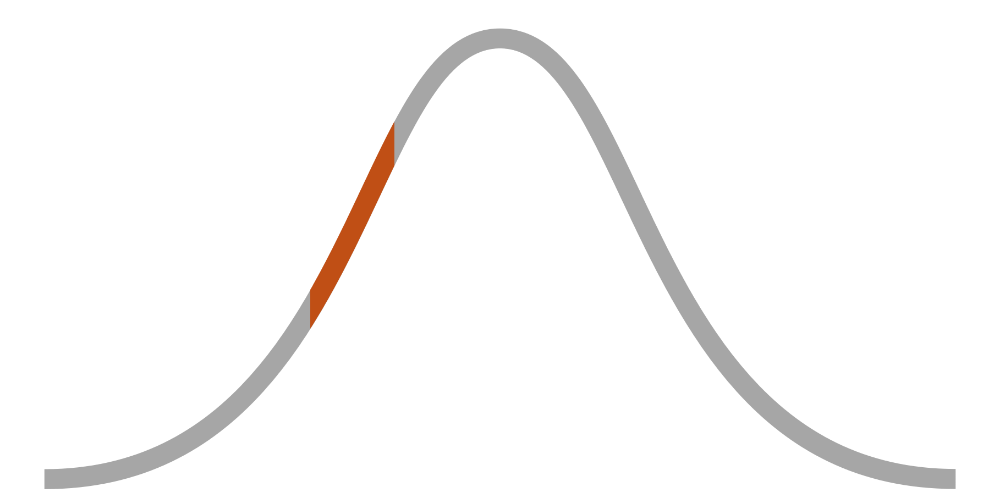
A slightly low attribute score is common and represents 20% of the entire population. In a room with 100 other people, a person with a slightly low attribute score would be higher than 20 of them and lower than 60 of them.
Note: Feels uses a 9-point scoring scale that ranges from Ultra Low to Ultra High according to a normal distribution. See our methodology.
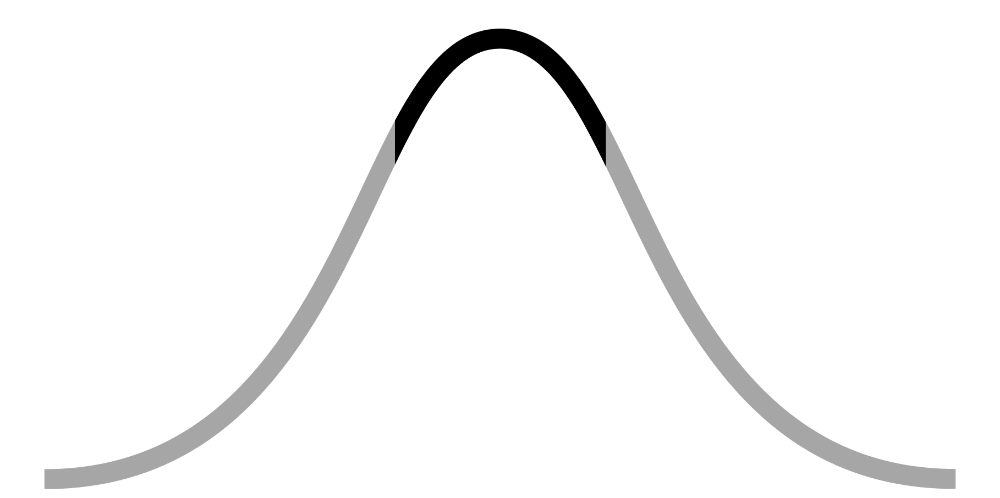
Average
40–60% percentile
An average attribute score is typical and represents 20% of the entire population. In a room with 100 other people, a person with an average attribute score would be higher than 40 of them and lower than 40 of them.
Note: Feels uses a 9-point scoring scale that ranges from Ultra Low to Ultra High according to a normal distribution. See our methodology.
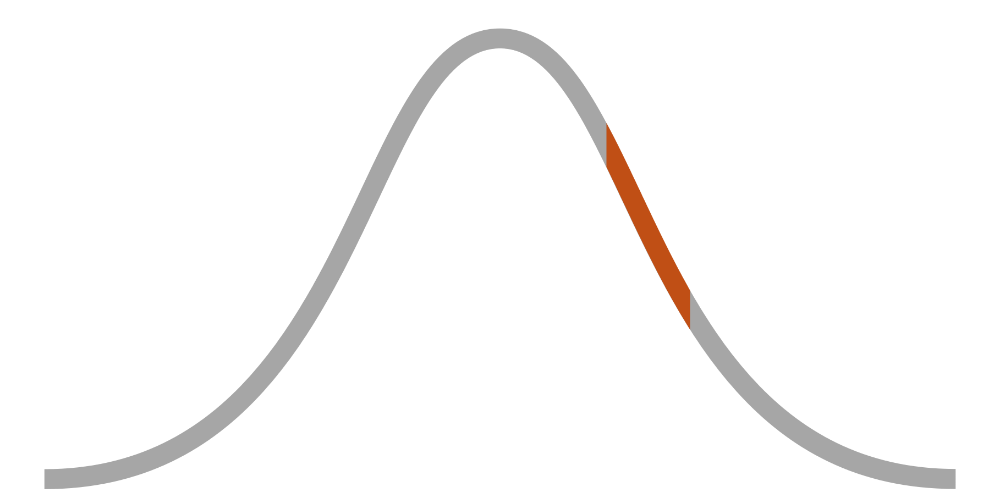
Slightly High
60–80% percentile
A slightly high attribute score is common and represents 20% of the entire population. In a room with 100 other people, a person with a slightly high attribute score would be higher than 60 of them and lower than 20 of them.
Note: Feels uses a 9-point scoring scale that ranges from Ultra Low to Ultra High according to a normal distribution. See our methodology.
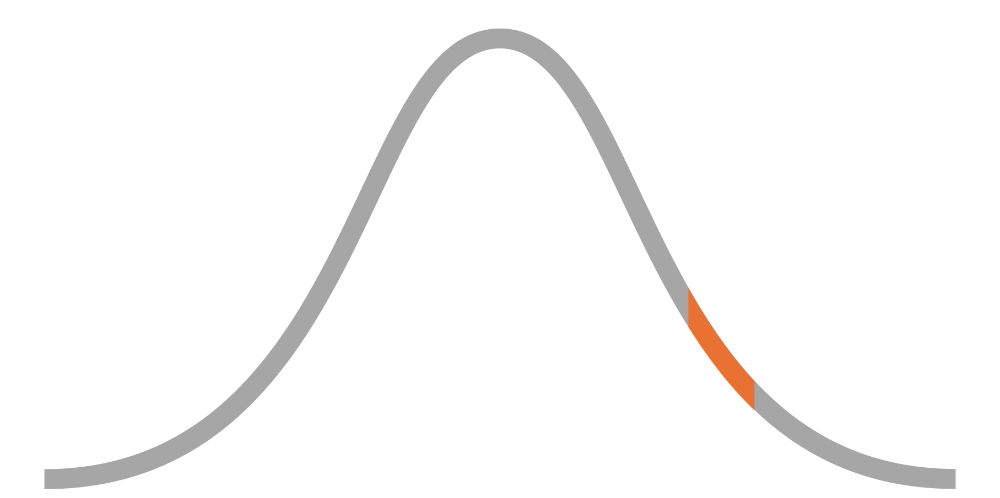
High
80–90% percentile
A high attribute score is somewhat uncommon and represents 10% of the entire population. In a room with 100 other people, a person with a high attribute score would be higher than 80 of them and lower than 10 of them.
Note: Feels uses a 9-point scoring scale that ranges from Ultra Low to Ultra High according to a normal distribution. See our methodology.
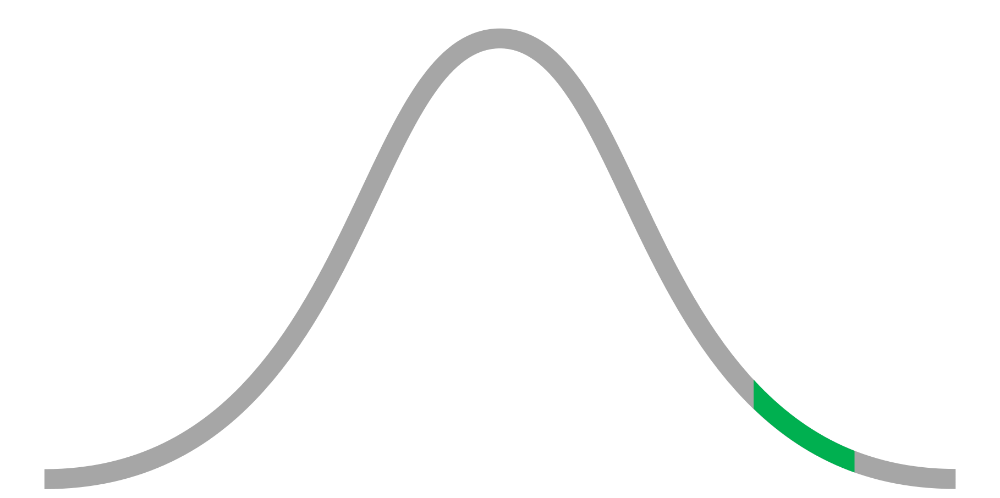
Very High
90–95% percentile
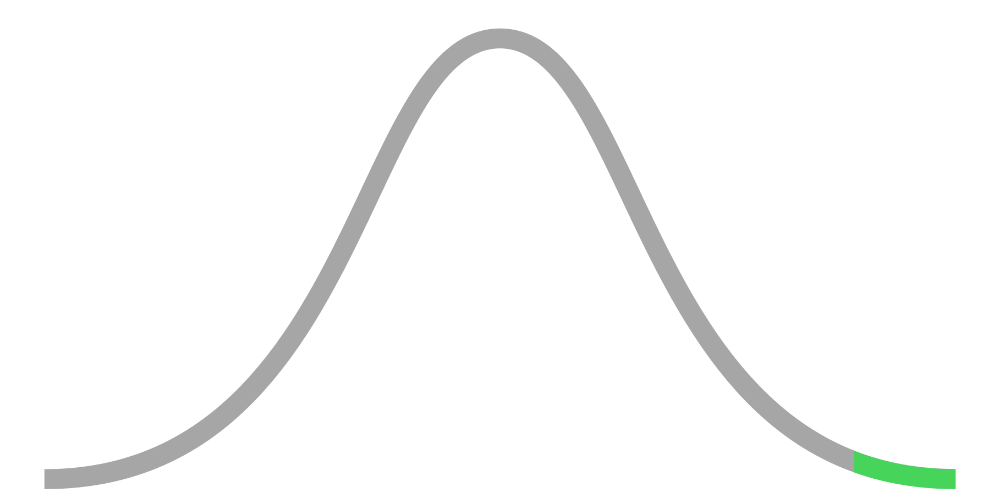
A very high attribute score is rare because it represents 5% of the entire population. In a room with 100 other people, a person with a very high attribute score would be higher than 90 of them and lower than five of them.
Note: Feels uses a 9-point scoring scale that ranges from Ultra Low to Ultra High according to a normal distribution. See our methodology.
Ultra High
95–100% percentile
An ultra high attribute score is exceptionally rare because it represents 5% of the entire population. In a room with 100 other people, a person with an ultra high attribute score would be higher than 95 of them and lower than none of them.
Note: Feels uses a 9-point scoring scale that ranges from Ultra Low to Ultra High according to a normal distribution. See our methodology.