
In the hit movie The Batman (2022), a young Bruce Wayne played by Robert Pattinson delivers an opening monologue via a journal entry on a rainy night after the Mayor of Gotham City has been murdered. Batman describes the weather, presence of people, his years-long night-time habits, and nature of crime in the city. He notes that "fear is a tool" for would-be criminals because the city is too large and he can't be everywhere. The clip shows crime scenes in progress and ends with Batman stating that because of fear, "They think I'm hiding in the shadows – but I am the shadows." Batman seldomly uses language related to sensory perception, and instead focuses on describing people and crime, which demonstrates a below-average example of the Sensation attribute.
On October 4, 2015, top YouTuber MrBeast recorded a video to be uploaded in ten years titled "Hi Me In 10 Years." It was published on October 4, 2025, and features a young MrBeast discussing his goals and plans for YouTube. Throughout the three minute clip, MrBeast is stumbling over some words, saying "dude," repeating himself, and using abbreviations like "subs" for the word "subscribers." Despite this, the clip may be understood by most listeners and there is little confusion about what he means. Young MrBeast's unpolished but adequate use of language to express himself demonstrate a typical example of the Readability attribute.
In Superman (2025), Lex Luthor blew a gasket after he learned that Superman escaped his prison. So much so, in fact, that Lex screamed out loud and began to throw things on the floor and at his soon-to-be ex-girlfriend.
In 2001, Ukrainian boxer Oleksandr Usyk won a championship and, when asked how he felt, responded with the unusual phrase "I'm feel. I'm very feel." This use of "feel" as a noun emphasizes the Sensation attribute, indicating an overwhelming state of bodily-sensory perception after becoming heavyweight champion.
In the hit movie Avengers: Infinity War (2018), supervillain Thanos has acquired all of the infinity stones necessary in order to control events across the universe. Thor swoops in and drives his massive axe in Thanos' chest to try and stop him. As Thor drives the axe deeper in his chest, Thanos yelps in pain, before regaining his composure. He then tells Thor "you should have gone for the head," and snaps his fingers. Thanos then appears in a red, foggy, dream-like landscape with a large gazebo-style structure in the distance. As Thanos approaches, he sees a child version of Gamora, the girl he sacrificed to get the stones in the first place. Gamora asks him if he did it, and what the cost was. Thanos replies with "yes" and indicates that the cost was "everything," with a teary-eyed look. The clip returns to the fight scene with Thor, and Thor angrily asks what Thanos did. Thanos disappears and a battle scene in another location shows half the people disintegrating into black ashes. Thanos' inability to describe his physical discomfort or other stimuli in his environment demonstrate a well-below average example of the Sensation attribute.
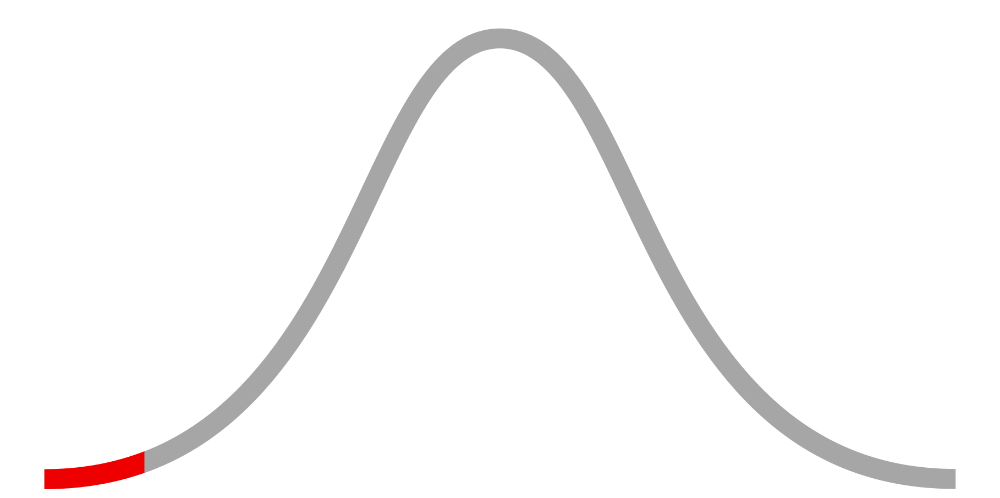
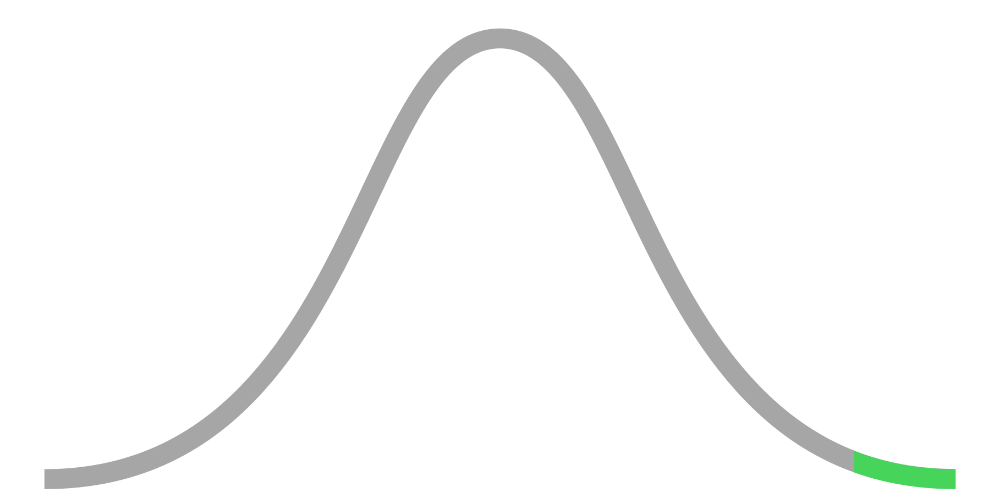
An ultra low attribute score is exceptionally rare because it represents 5% of the entire population. In a room with 100 other people, a person with an ultra low attribute score would be lower than 95 of them and higher than none of them.
Note: Feels uses a 9-point scoring scale that ranges from Ultra Low to Ultra High according to a normal distribution. See our methodology.
Very Low
5–10% percentile
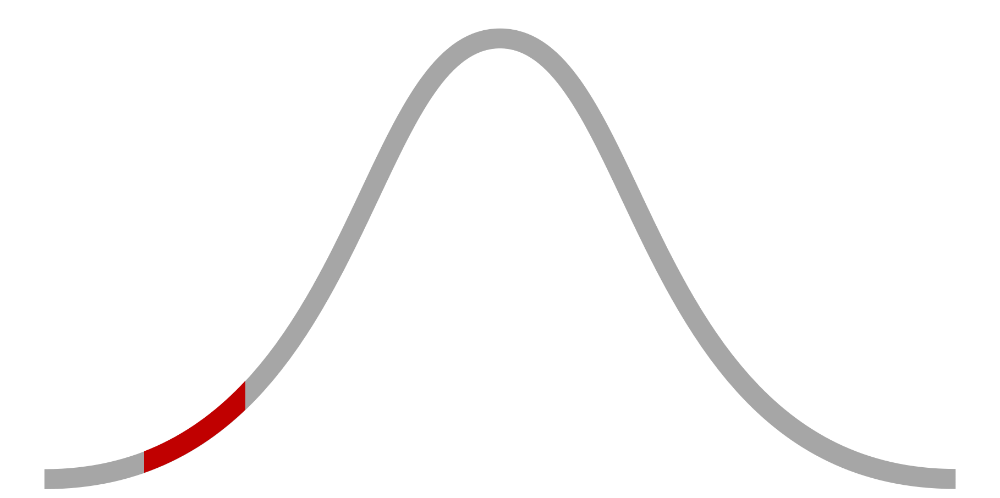
A very low attribute score is rare because it represents 5% of the entire population. In a room with 100 other people, a person with a very low attribute score would be higher than five of them and lower than 90 of them.
Note: Feels uses a 9-point scoring scale that ranges from Ultra Low to Ultra High according to a normal distribution. See our methodology.
Low
10–20% percentile
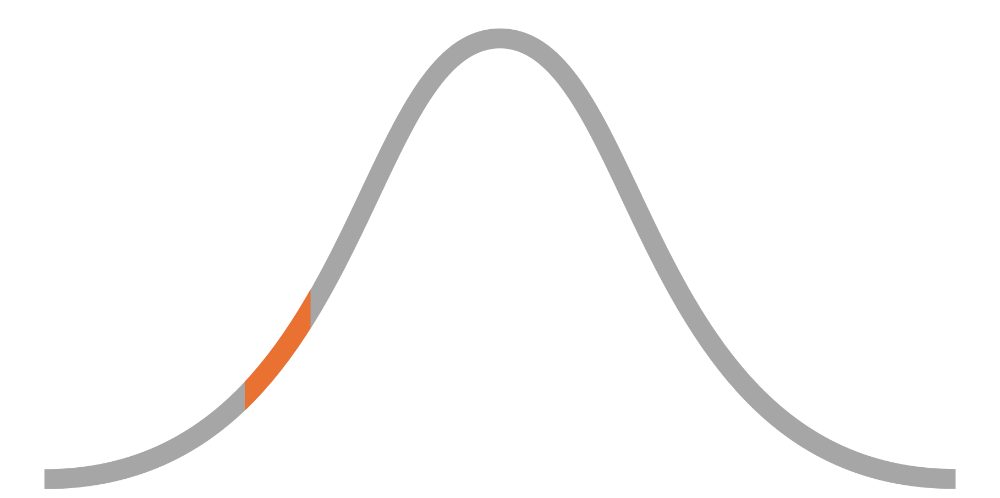
A low attribute score is somewhat uncommon and represents 10% of the entire population. In a room with 100 other people, a person with a low attribute score would be higher than ten of them and lower than 80 of them.
Note: Feels uses a 9-point scoring scale that ranges from Ultra Low to Ultra High according to a normal distribution. See our methodology.
Slightly Low
20–40% percentile
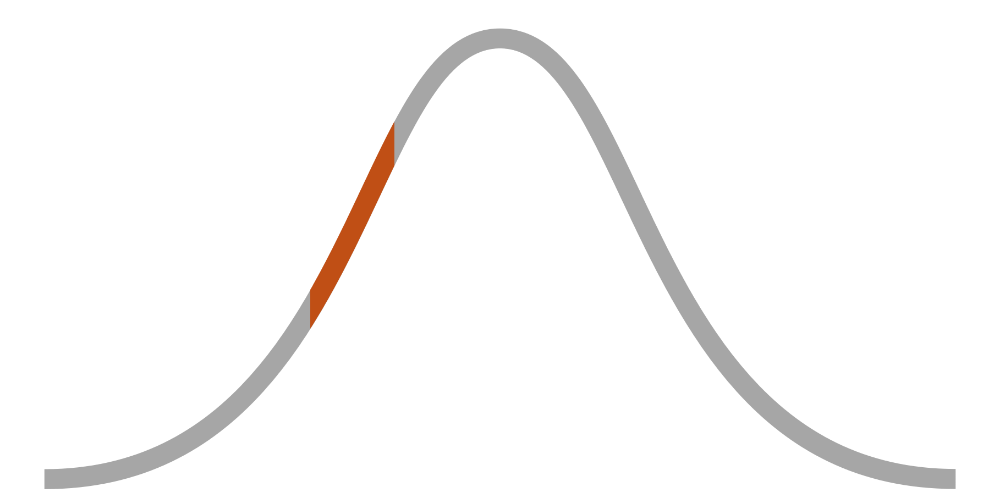
A slightly low attribute score is common and represents 20% of the entire population. In a room with 100 other people, a person with a slightly low attribute score would be higher than 20 of them and lower than 60 of them.
Note: Feels uses a 9-point scoring scale that ranges from Ultra Low to Ultra High according to a normal distribution. See our methodology.
Average
40–60% percentile
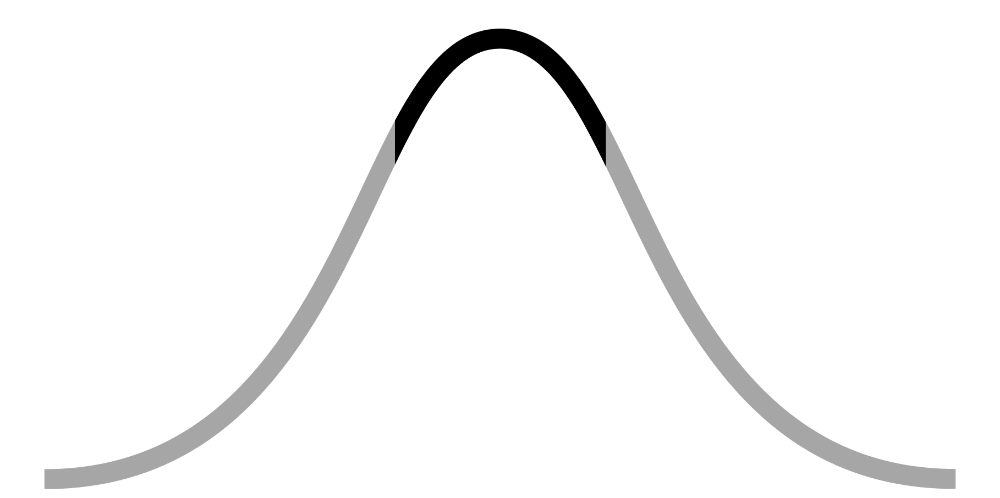
An average attribute score is typical and represents 20% of the entire population. In a room with 100 other people, a person with an average attribute score would be higher than 40 of them and lower than 40 of them.
Note: Feels uses a 9-point scoring scale that ranges from Ultra Low to Ultra High according to a normal distribution. See our methodology.
Slightly High
60–80% percentile
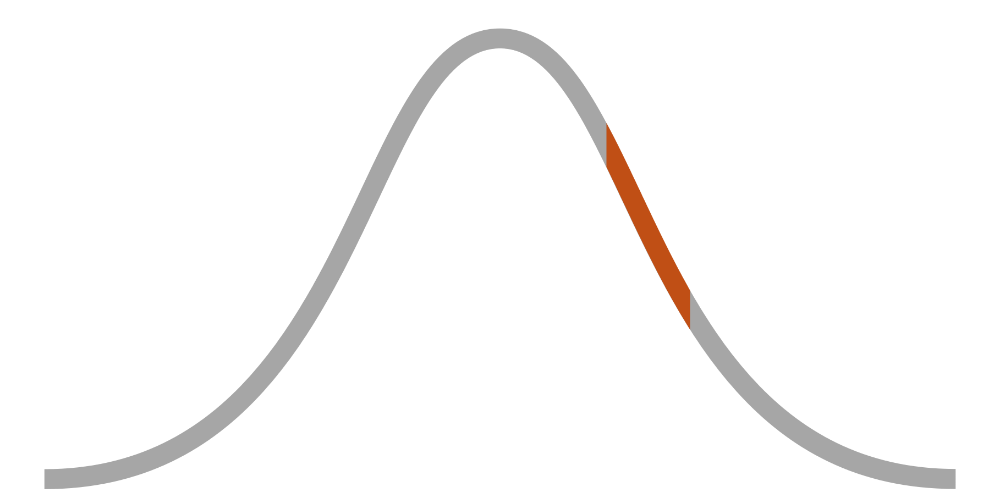
A slightly high attribute score is common and represents 20% of the entire population. In a room with 100 other people, a person with a slightly high attribute score would be higher than 60 of them and lower than 20 of them.
Note: Feels uses a 9-point scoring scale that ranges from Ultra Low to Ultra High according to a normal distribution. See our methodology.
High
80–90% percentile
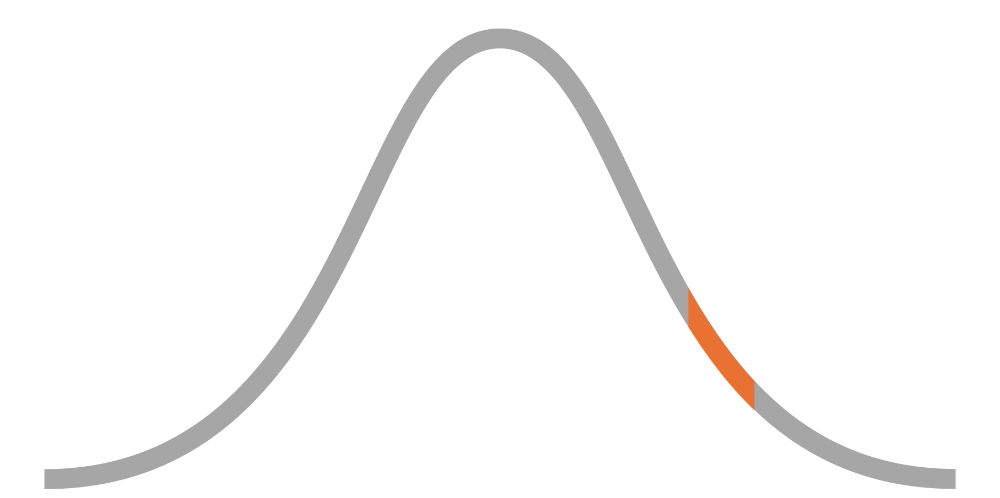
A high attribute score is somewhat uncommon and represents 10% of the entire population. In a room with 100 other people, a person with a high attribute score would be higher than 80 of them and lower than 10 of them.
Note: Feels uses a 9-point scoring scale that ranges from Ultra Low to Ultra High according to a normal distribution. See our methodology.
Very High
90–95% percentile
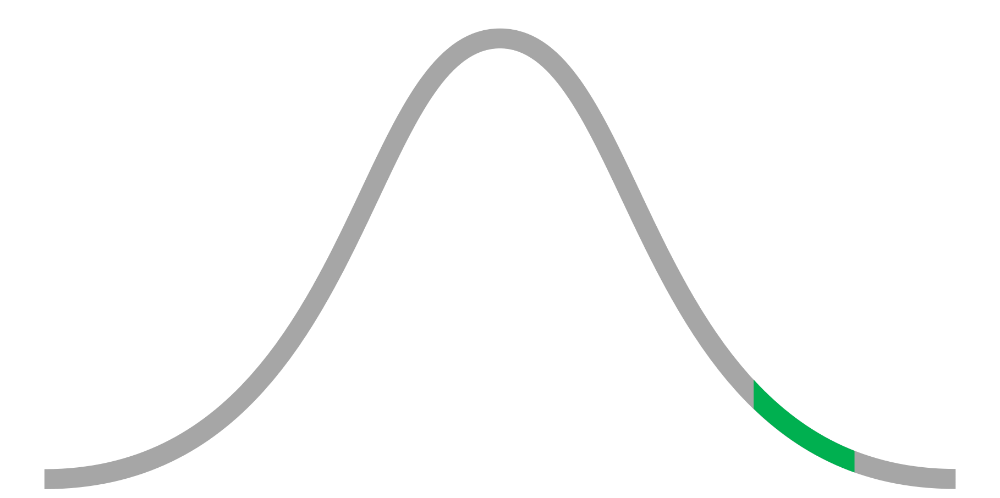
A very high attribute score is rare because it represents 5% of the entire population. In a room with 100 other people, a person with a very high attribute score would be higher than 90 of them and lower than five of them.
Note: Feels uses a 9-point scoring scale that ranges from Ultra Low to Ultra High according to a normal distribution. See our methodology.
Ultra High
95–100% percentile
An ultra high attribute score is exceptionally rare because it represents 5% of the entire population. In a room with 100 other people, a person with an ultra high attribute score would be higher than 95 of them and lower than none of them.
Note: Feels uses a 9-point scoring scale that ranges from Ultra Low to Ultra High according to a normal distribution. See our methodology.