
Info
Legal
© 2025 Feels Co.

Hand pointing up icon Summary & key points

In the hit movie The Wolf of Wall Street (2013), successful financer Jordan Belfort finds himself on his own boat being visited by FBI agents for financial crimes of a criminal nature. Very serious. He cordially invites them up to his boat and engages in 15 minutes of conversation warm up before the two agents and the focused-eyed Belfort begin to talk about brass tax. Belfort suggests, in so few words, that he is willing to do anything within his power to make peoples' lives better, including applying his experience and money. The FBI agent interprets this as a clear bribe, and breaks protocol by asking Jordan to repeat it again because he believes that Jordan has incriminated himself terribly. Comedic dialogue proceeds thereafter. Belfort’s knowledge of the law seemingly influenced his lack of details for how the crime would work in a logistical manner, which would constitute evidence of committing a bribery crime.  Belfort's selective word choices intended to dilute clarity in order to avoid self-incrimination demonstrate communication well below average in the Specificity attribute.
Feels Score: 2 in

Hand pointing up icon Summary & key points

Popular children's television show host and producer testified before congress in 1969 in order to secure funding for public broadcasting. After only six minutes of speaking, Mister Rogers secured twenty million dollars in his party's favor. Everyone present understood the nature and importance of Roger's work alongside its impact on both young children and the future of America.
Feels Score: 8 in

Hand pointing up icon Summary & key points

In season 3, episode 4 ("Conflict of Interest") of the hit TV show Suits (2013), Harvard-trained corporate attorney Louis Litt visits an investment banker's office in order to confront Tony G. about his business empire. Louis encounters another man who intends to keep Louis away from Tony. Louis then drops several folders and has a brief but powerful conversation that explains his leverage. The investment banker's gatekeeper rebukes all of Louis' leverage and indicates that Tony is not present, but in Monaco. Between the insults exchanged, the banker smiles and says "We're not lawyers ... we didn't go to Harvard, we went to Wharton (notable business school) and we saw you coming a mile away." Louis feels defeated as the scene ends. Despite Louis' formal attire and direct clarity, he uses colorful language on two occasions and calls his counterpart "Spank." These juvenile insults demonstrate an above-average example of the Formality attribute.
Feels Score: 6 in

Hand pointing up icon Summary & key points

In season 1, episode 2 of The Summer I Turned Pretty (2022), Belly is picking up some snacks at the gas station when the cashier starts flirting with her. Unfortunately for Belly, she does not realize this is the case until much later in the interaction. By the time she gets in the car, Belly starts adjusting her hair and evaluating her physical appearance.
Feels Score: 3 in

Hand pointing up icon Summary & key points

In the hit movie Avengers: Infinity War (2018), supervillain Thanos has acquired all of the infinity stones necessary in order to control events across the universe. Thor swoops in and drives his massive axe in Thanos' chest to try and stop him. As Thor drives the axe deeper in his chest, Thanos yelps in pain, before regaining his composure. He then tells Thor "you should have gone for the head," and snaps his fingers. Thanos then appears in a red, foggy, dream-like landscape with a large gazebo-style structure in the distance. As Thanos approaches, he sees a child version of Gamora, the girl he sacrificed to get the stones in the first place. Gamora asks him if he did it, and what the cost was. Thanos replies with "yes" and indicates that the cost was "everything," with a teary-eyed look. The clip returns to the fight scene with Thor, and Thor angrily asks what Thanos did. Thanos disappears and a battle scene in another location shows half the people disintegrating into black ashes. Thanos' inability to describe his physical discomfort or other stimuli in his environment demonstrate a well-below average example of the Sensation attribute.
Feels Score: 3 in

Hand pointing up icon Summary & key points

In the hit car enthusiast movie The Fast and the Furious (2001), strong-man car group leader Dominic Toretto is at his car shop when Brain (played by Paul Walker), disguised as a police officer, is enjoying his tuna sandwich. Walker’s character Brian is there to infiltrate the group as a mole. There is flirtatious dialogue going on between the waitress, Mia – Dominic‘s sister, and Walker‘s character. When the rest of the gang comes back, the character who likes Mia sits down next to Walker and tries to intimidate him with physical body language and prolonged eye contact. As Walker leaves, the few exchange words before a fight breaks out between them. When Toretto is summoned, he asks a question probably intended to be humorous, and only then does he intervene. Toretto breaks up the fight and inquires about the identity of the tuna-eating stranger. He lets him leave, only after flexing his power and telling him that he lost his job because he knows the employer in question is Harry's. Dom flexes that he has that sort of power and influence. Toretto’s General lack of urgency while all the events were going on, the nature of his questions in response to requests for action, plus his lack of depth in his understanding of the person with whom he’s dealing, all represent the lowest form of the Inference attribute.
Feels Score: 1 in

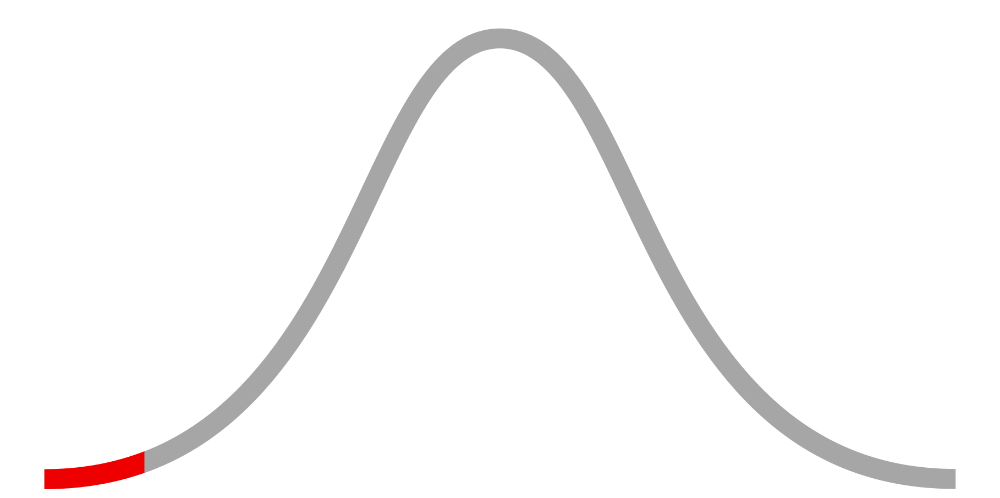
Ultra Low

0–5% percentile
An ultra low attribute score is exceptionally rare because it represents 5% of the entire population. In a room with 100 other people, a person with an ultra low attribute score would be lower than 95 of them and higher than none of them.
Note: Feels uses a 9-point scoring scale that ranges from Ultra Low to Ultra High according to a normal distribution. See our methodology.

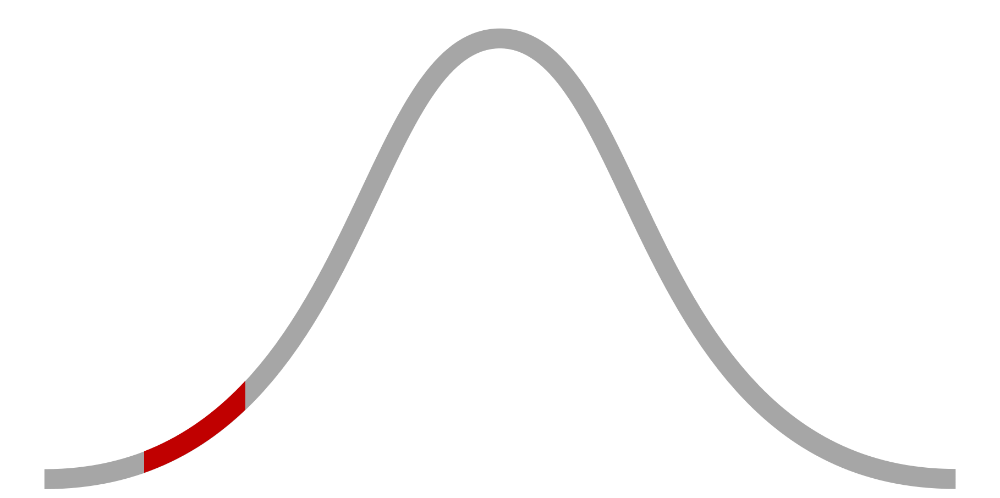
Very Low

5–10% percentile
A very low attribute score is rare because it represents 5% of the entire population. In a room with 100 other people, a person with a very low attribute score would be higher than five of them and lower than 90 of them.
Note: Feels uses a 9-point scoring scale that ranges from Ultra Low to Ultra High according to a normal distribution. See our methodology.

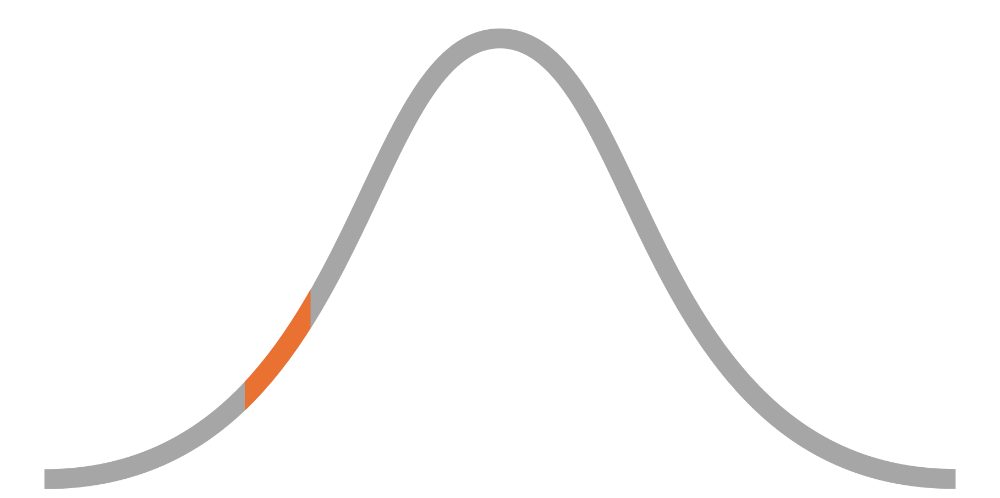
Low

10–20% percentile
A low attribute score is somewhat uncommon and represents 10% of the entire population. In a room with 100 other people, a person with a low attribute score would be higher than ten of them and lower than 80 of them.
Note: Feels uses a 9-point scoring scale that ranges from Ultra Low to Ultra High according to a normal distribution. See our methodology.

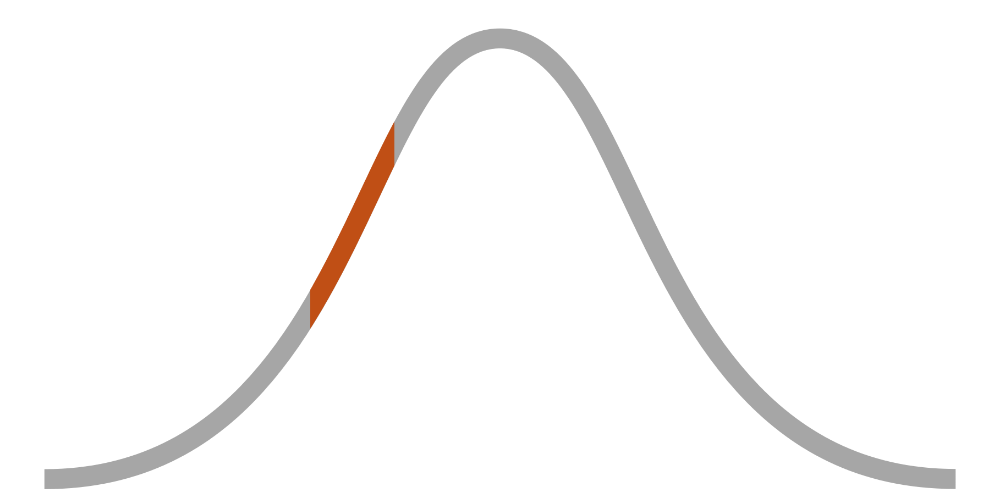
Slightly Low

20–40% percentile
A slightly low attribute score is common and represents 20% of the entire population. In a room with 100 other people, a person with a slightly low attribute score would be higher than 20 of them and lower than 60 of them.
Note: Feels uses a 9-point scoring scale that ranges from Ultra Low to Ultra High according to a normal distribution. See our methodology.

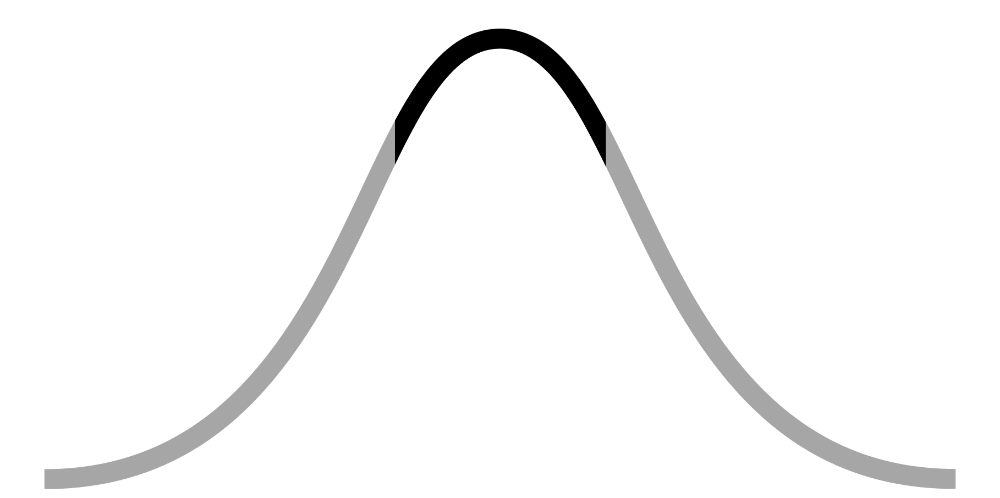
Average

40–60% percentile
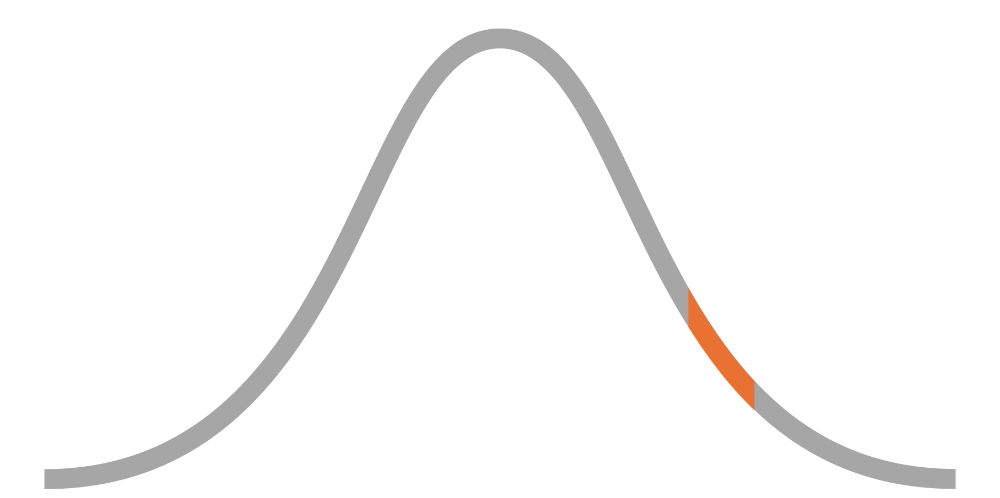
An average attribute score is typical and represents 20% of the entire population. In a room with 100 other people, a person with an average attribute score would be higher than 40 of them and lower than 40 of them.
Note: Feels uses a 9-point scoring scale that ranges from Ultra Low to Ultra High according to a normal distribution. See our methodology.

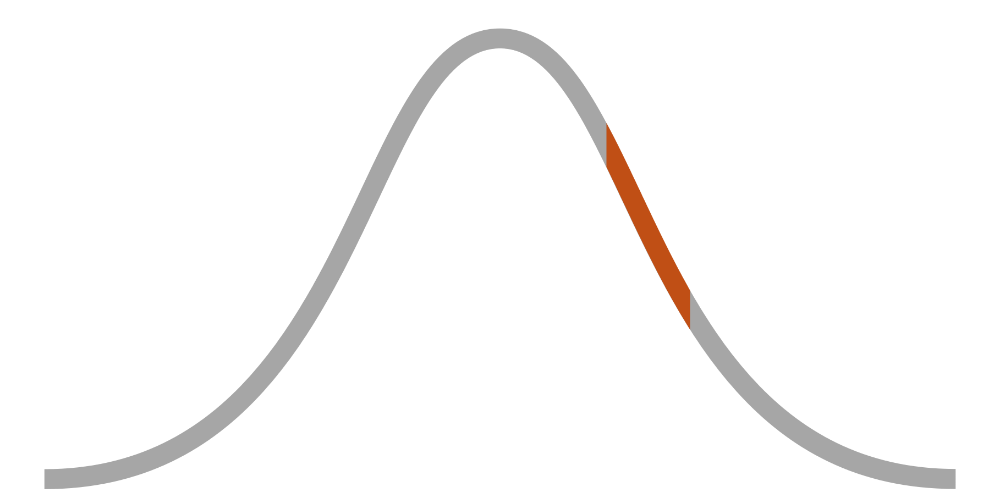
Slightly High

60–80% percentile
A slightly high attribute score is common and represents 20% of the entire population. In a room with 100 other people, a person with a slightly high attribute score would be higher than 60 of them and lower than 20 of them.
Note: Feels uses a 9-point scoring scale that ranges from Ultra Low to Ultra High according to a normal distribution. See our methodology.

High

80–90% percentile
A high attribute score is somewhat uncommon and represents 10% of the entire population. In a room with 100 other people, a person with a high attribute score would be higher than 80 of them and lower than 10 of them.
Note: Feels uses a 9-point scoring scale that ranges from Ultra Low to Ultra High according to a normal distribution. See our methodology.

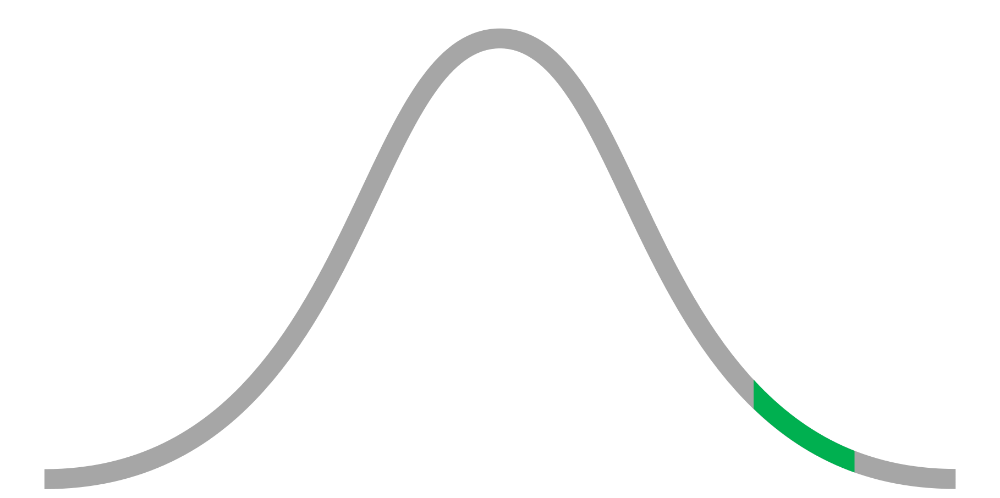
Very High

90–95% percentile
A very high attribute score is rare because it represents 5% of the entire population. In a room with 100 other people, a person with a very high attribute score would be higher than 90 of them and lower than five of them.
Note: Feels uses a 9-point scoring scale that ranges from Ultra Low to Ultra High according to a normal distribution. See our methodology.

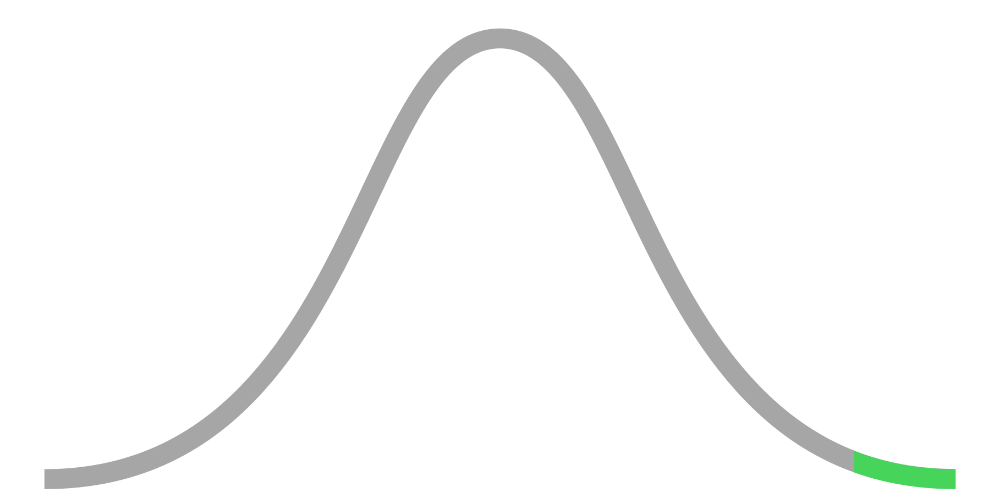
Ultra High

95–100% percentile
An ultra high attribute score is exceptionally rare because it represents 5% of the entire population. In a room with 100 other people, a person with an ultra high attribute score would be higher than 95 of them and lower than none of them.
Note: Feels uses a 9-point scoring scale that ranges from Ultra Low to Ultra High according to a normal distribution. See our methodology.