
Info
Legal
© 2025 Feels Co.

Hand pointing up icon Summary & key points

In the hit car enthusiast movie The Fast and the Furious (2001), strong-man car group leader Dominic Toretto is at his car shop when Brain (played by Paul Walker), disguised as a police officer, is enjoying his tuna sandwich. Walker’s character Brian is there to infiltrate the group as a mole. There is flirtatious dialogue going on between the waitress, Mia – Dominic‘s sister, and Walker‘s character. When the rest of the gang comes back, the character who likes Mia sits down next to Walker and tries to intimidate him with physical body language and prolonged eye contact. As Walker leaves, the few exchange words before a fight breaks out between them. When Toretto is summoned, he asks a question probably intended to be humorous, and only then does he intervene. Toretto breaks up the fight and inquires about the identity of the tuna-eating stranger. He lets him leave, only after flexing his power and telling him that he lost his job because he knows the employer in question is Harry's. Dom flexes that he has that sort of power and influence. Toretto’s General lack of urgency while all the events were going on, the nature of his questions in response to requests for action, plus his lack of depth in his understanding of the person with whom he’s dealing, all represent the lowest form of the Inference attribute.
Feels Score: 1 in

Hand pointing up icon Summary & key points

In season 4, episode 13 (chapter 52) of the hit Netflix show called House of Cards (2016), President Frank Underwood and Vice President Claire Underwood are in the situation room watching a terrorist threat come to fruition. In the live feed, the domestic terrorists are shown decapitating a hostage. Almost everyone in the room reacts with a gasp, body movement, or utterance – except Frank and Claire. This complete lack of bodily or verbal reactions demonstrates the Sensation attribute. Frank Underwood is scary sometimes.
Feels Score: 1 in

Hand pointing up icon Summary & key points

In the hit Nintendo 64 video game called The Legend of Zelda: Majora's Mask (2000), the young hero named Link has to save the world before the moon comes crashing down in three days. Link must help the Happy Mask Salesman recover a powerful but dangerous mask called Majora's Mask. Throughout the game, Link never talks. But, he does gasp and make other sounds in response to events. Notably, when Link puts on any of the major transformation masks in order to take other forms, he screams out in pain until his bodily form change is complete. Link's lack of verbal replies but audible reactions demonstrate a near-bottom example of the Volubility attribute.
Feels Score: 2 in

Hand pointing up icon Summary & key points

In the hit Marvel cinematic universe movie Doctor Strange (2016), talented Neurosurgeon Doctor Stephen Strange suffers a tragic car accident which ruins his medical career. After finding and joining a group of witches and sorcerers, he learns that Kamar-Taj, the group's compound, is under attack. A former member turned rogue named Kaecilius is the attacker. He confronts Doctor Strange on a long stairway. When Kaecilius says "How long have you been at Kamar-Taj, Mister ...," Strange answers with his formal title, "Doctor." A confused Kaecilius replies with "Mister Doctor," and Strange quips back: "It's Strange." Still confused, Kaecilius replies with "Maybe, but who am I to judge." In this brief exchange, Doctor Strange's simple responses cause confusion over his name, and this lack of clarity demonstrates a well below-average example of the Readability attribute.
Feels Score: 3 in

Hand pointing up icon Summary & key points

On September 9, 2009, rapper and fashion icon interrupted Taylor Swift at the MTV Video Music Awards while she was giving her award acceptance speech for Best Female Video. Kanye grabbed the microphone and pronounced that Beyonce, another female music artist, had a better video. As Taylor Swift was giving a touching speech, Kanye hijacked the moment and began with "Yo Taylor ... Imma let you finish, but ..." Kanye West became an instant meme and Taylor Swift fans were not happy. Beyonce herself reacted with a shocked facial expression, as did many others. While the incident appears to showcase Kanye's utter inability to read the room, the context of the situation is important. Many award shows strive to entertain viewers through cheeky stunts, as these are part of American pop media culture. Kanye West, being an entertainer, recognized an opportunity to do the same, although it did not sit well with many viewers and critics in hindsight. Kanye West's ability to modify his behavior in the spirit of contributing to the award show, and subsequent inability to stop when he went too far, demonstrates a below-average example of the Apperception attribute.
Feels Score: 4 in

Hand pointing up icon Summary & key points

In season 2, episode 24 ("Valley Girls") of the hit TV show Gossip Girl (2009), high schooler Blair Waldorf is vying for prom queen as she discovers new information about her progress. During the prom queen announcement portion of the school function, Blair accuses Chuck of sabotaging her with fake votes against her. However, others were scheming against Blair and Chuck actually submitted 150 votes in order to help Blair win prom queen. Blair's use of deductive reasoning and analyses of Chuck's actions, although incorrect, demonstrate an above-average example of the Inference attribute.
Feels Score: 6 in

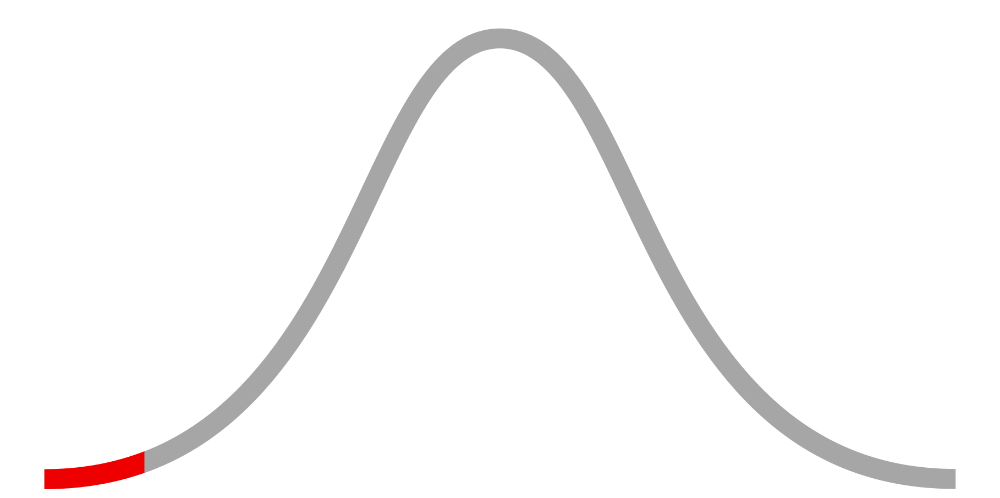
Ultra Low

0–5% percentile
An ultra low attribute score is exceptionally rare because it represents 5% of the entire population. In a room with 100 other people, a person with an ultra low attribute score would be lower than 95 of them and higher than none of them.
Note: Feels uses a 9-point scoring scale that ranges from Ultra Low to Ultra High according to a normal distribution. See our methodology.

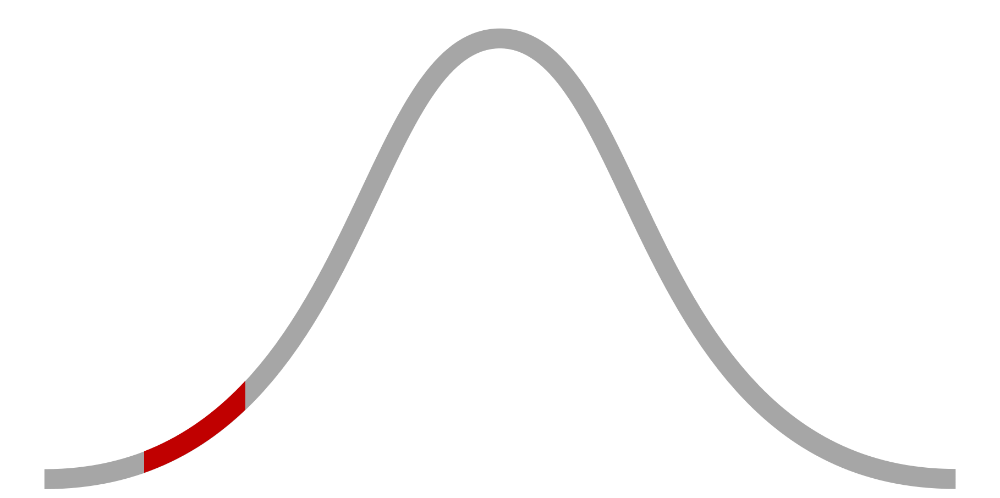
Very Low

5–10% percentile
A very low attribute score is rare because it represents 5% of the entire population. In a room with 100 other people, a person with a very low attribute score would be higher than five of them and lower than 90 of them.
Note: Feels uses a 9-point scoring scale that ranges from Ultra Low to Ultra High according to a normal distribution. See our methodology.

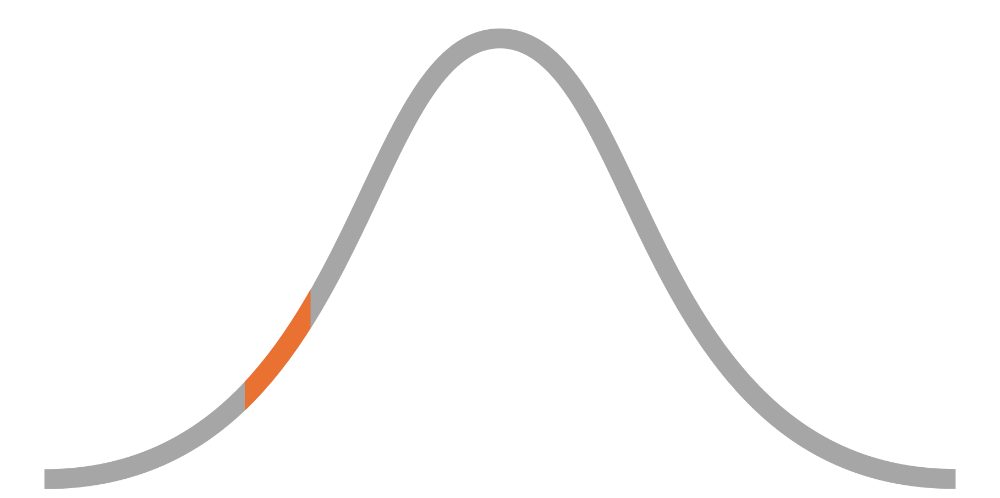
Low

10–20% percentile
A low attribute score is somewhat uncommon and represents 10% of the entire population. In a room with 100 other people, a person with a low attribute score would be higher than ten of them and lower than 80 of them.
Note: Feels uses a 9-point scoring scale that ranges from Ultra Low to Ultra High according to a normal distribution. See our methodology.

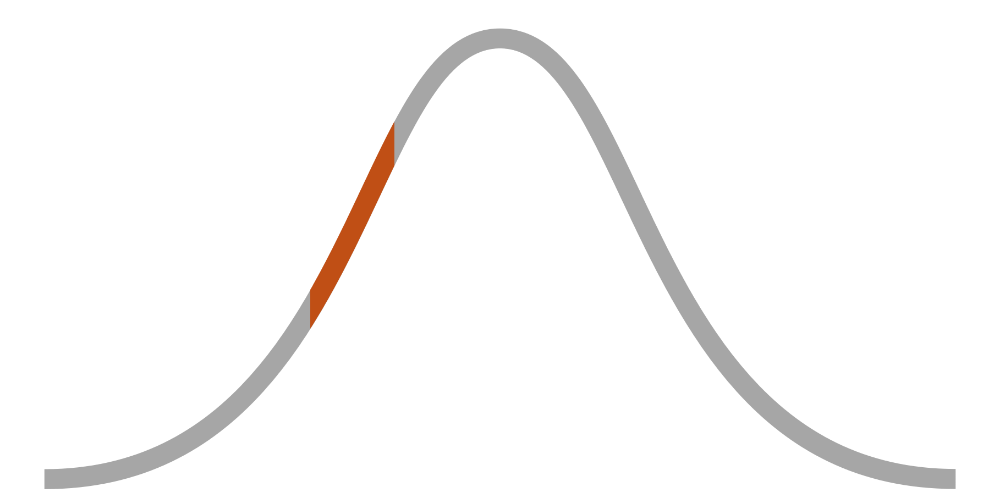
Slightly Low

20–40% percentile
A slightly low attribute score is common and represents 20% of the entire population. In a room with 100 other people, a person with a slightly low attribute score would be higher than 20 of them and lower than 60 of them.
Note: Feels uses a 9-point scoring scale that ranges from Ultra Low to Ultra High according to a normal distribution. See our methodology.

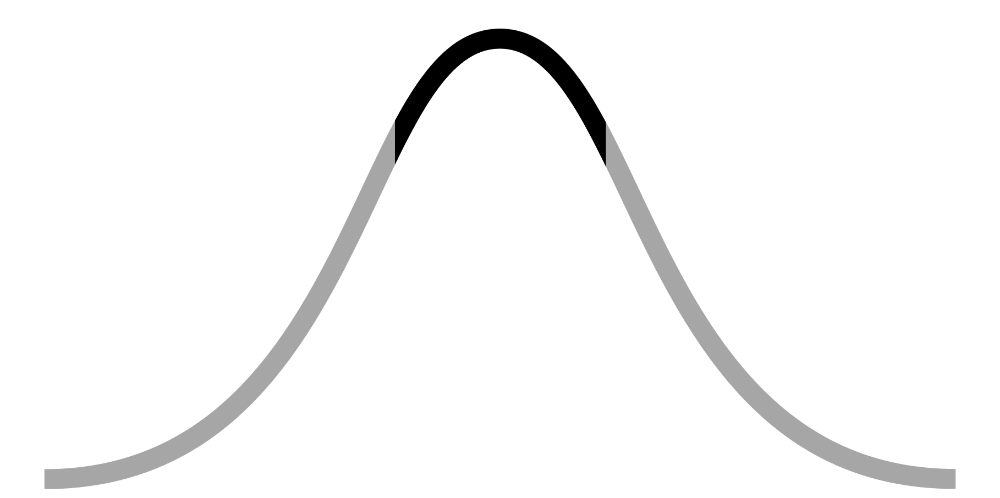
Average

40–60% percentile
An average attribute score is typical and represents 20% of the entire population. In a room with 100 other people, a person with an average attribute score would be higher than 40 of them and lower than 40 of them.
Note: Feels uses a 9-point scoring scale that ranges from Ultra Low to Ultra High according to a normal distribution. See our methodology.

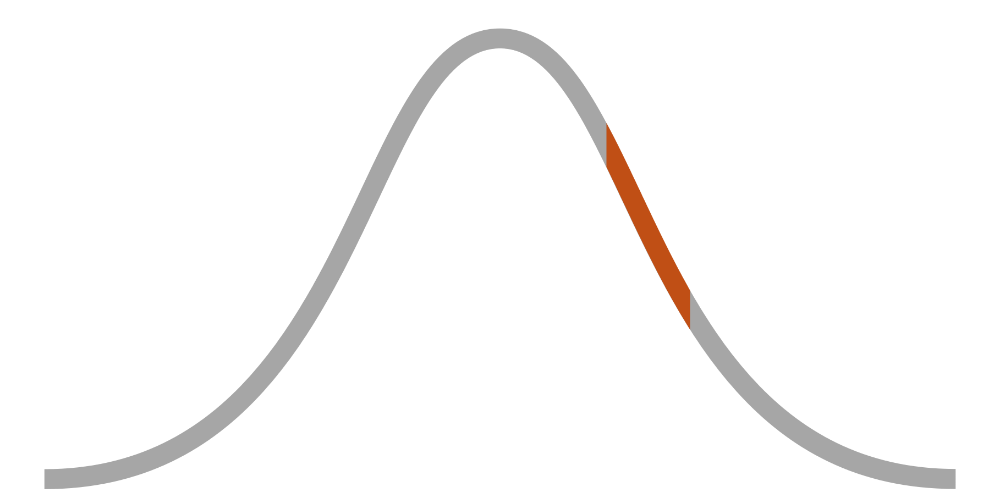
Slightly High

60–80% percentile
A slightly high attribute score is common and represents 20% of the entire population. In a room with 100 other people, a person with a slightly high attribute score would be higher than 60 of them and lower than 20 of them.
Note: Feels uses a 9-point scoring scale that ranges from Ultra Low to Ultra High according to a normal distribution. See our methodology.

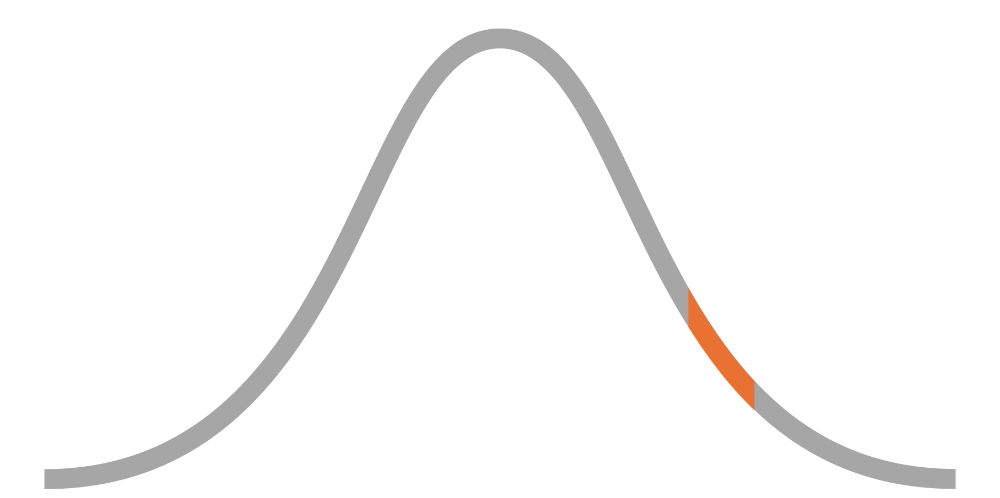
High

80–90% percentile
A high attribute score is somewhat uncommon and represents 10% of the entire population. In a room with 100 other people, a person with a high attribute score would be higher than 80 of them and lower than 10 of them.
Note: Feels uses a 9-point scoring scale that ranges from Ultra Low to Ultra High according to a normal distribution. See our methodology.

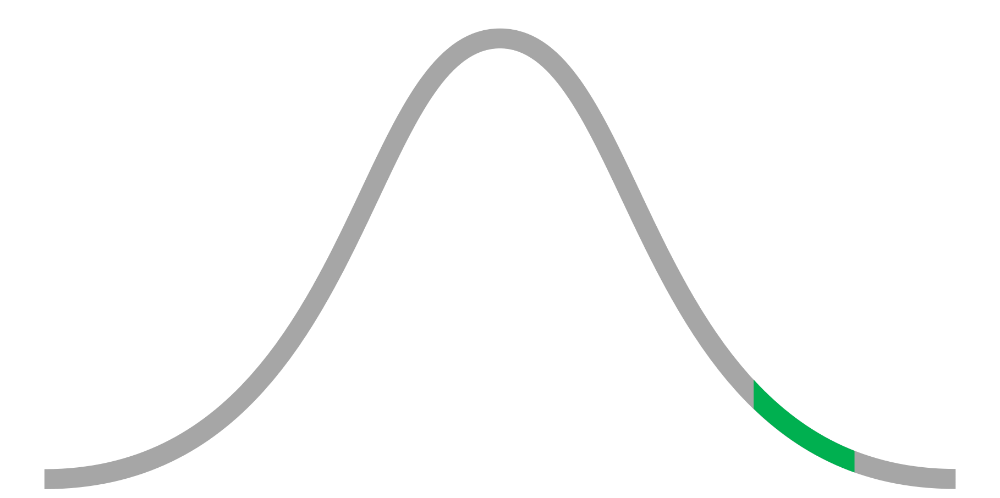
Very High

90–95% percentile
A very high attribute score is rare because it represents 5% of the entire population. In a room with 100 other people, a person with a very high attribute score would be higher than 90 of them and lower than five of them.
Note: Feels uses a 9-point scoring scale that ranges from Ultra Low to Ultra High according to a normal distribution. See our methodology.

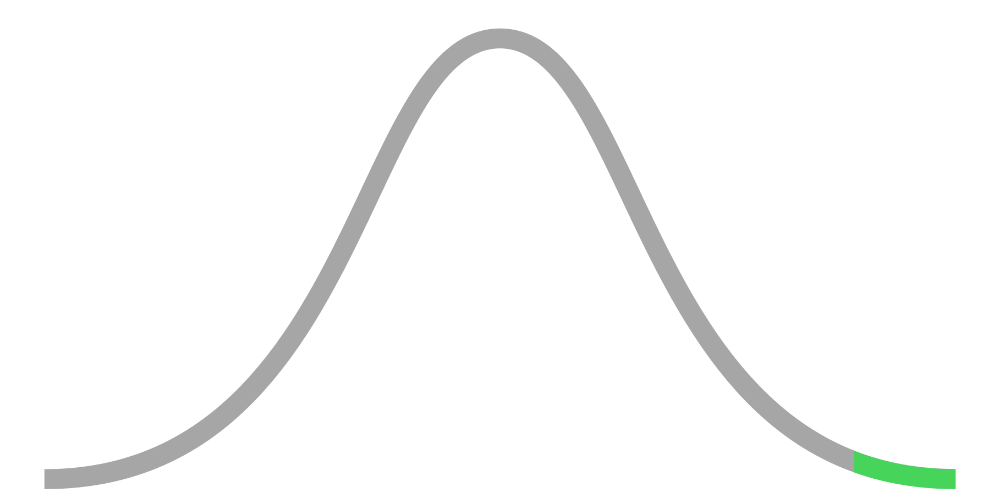
Ultra High

95–100% percentile
An ultra high attribute score is exceptionally rare because it represents 5% of the entire population. In a room with 100 other people, a person with an ultra high attribute score would be higher than 95 of them and lower than none of them.
Note: Feels uses a 9-point scoring scale that ranges from Ultra Low to Ultra High according to a normal distribution. See our methodology.