
Info
Legal
© 2025 Feels Co.
Boxer Oleksandr Usyk feels ready to fight Fury with this walkout!

Hand pointing up icon Summary & key points

Oleksandr Usyk's walkout in his 2024 fight against Tyson Fury was one for the record books. Given the bright lights and costume, it's no wonder he felt ready to fight. He also won the fight.

Hand pointing up icon Summary & key points

In the hit sequel movie The Matrix Reloaded (2003), Neo goes to meet the Oracle, who can allegedly see the future. Without even looking, she tells Neo what is going to happen next on several occasions. This ability to engage in 'mental time travel' with events that have not happened yet highlights the Inference attribute to a degree that no real person can emulate.
Feels Score: 9 in

Hand pointing up icon Summary & key points

In a 2018 NBC News interview with Megyn Kelly featuring Russian President Vladimir Putin, Kelly interviewed the Russian leader in Moscow. As Megyn directed confrontational questions, President Putin kept his poise and matched the tone and demeanor of his counterpart. At the end, Putin even politely rebuked that Megyn had been cutting him off during the interview, downplaying Megyn's intended portrayal as a kind, polite journalist. Putin's ability to recognize and defend against the attacking journalist's charged questions with logical references to the world, its governance, and relations highlight the Formality attribute far above average.
Feels Score: 7 in

Hand pointing up icon Summary & key points

In season 1, episode 4 of the hit Netflix show called Wednesday (2022), teenager Wednesday Addams is discussing plans for going to a school dance with a certain someone. In typical Wednesday fashion, she redirected the conversation from her feelings to her priorities. This was highlighted when Wednesday said that it's not her fault for being unable to interpret "emotional morse code." Her lack of interest in discussing feelings and emotions and word choices reflect the Emotion attribute.
Feels Score: 3 in

Hand pointing up icon Summary & key points

In the cult classic movie American Psycho (2000), Christian Bale portrays Patrick Bateman, a big-shot New York City investment banker who goes on a literal killing spree. After avoiding capture throughout the film, Patrick is sitting at the bar with his coworkers while the television is playing in the background. Bateman delivers the movie's closing with an intense monologue that describes the horrific things he has done, and how he has little remorse. Despite Bateman's cruel behavior, he discusses his feelings and those of others in vivid detail insofar as it matters to him. Bateman's comments about the emotional states of others demonstrate an average example of the Emotion attribute.
Feels Score: 5 in

Hand pointing up icon Summary & key points

In their smash hit Paint it Black (1966), the English rock band known as The Rolling Stones recorded a song that would gain worldwide fame and recognition. The lyrics of the song prominently feature references to colors, coloration modifiers, and visual sense perception. The repeated use of words and phrases related to physical sense perception emphasizes the Sensation attribute.
Feels Score: 7 in

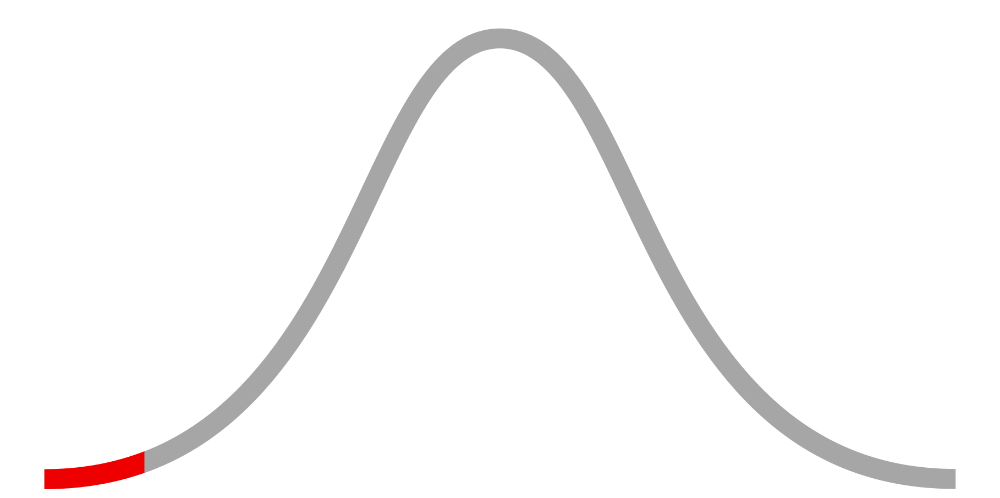
Ultra Low

0–5% percentile
An ultra low attribute score is exceptionally rare because it represents 5% of the entire population. In a room with 100 other people, a person with an ultra low attribute score would be lower than 95 of them and higher than none of them.
Note: Feels uses a 9-point scoring scale that ranges from Ultra Low to Ultra High according to a normal distribution. See our methodology.

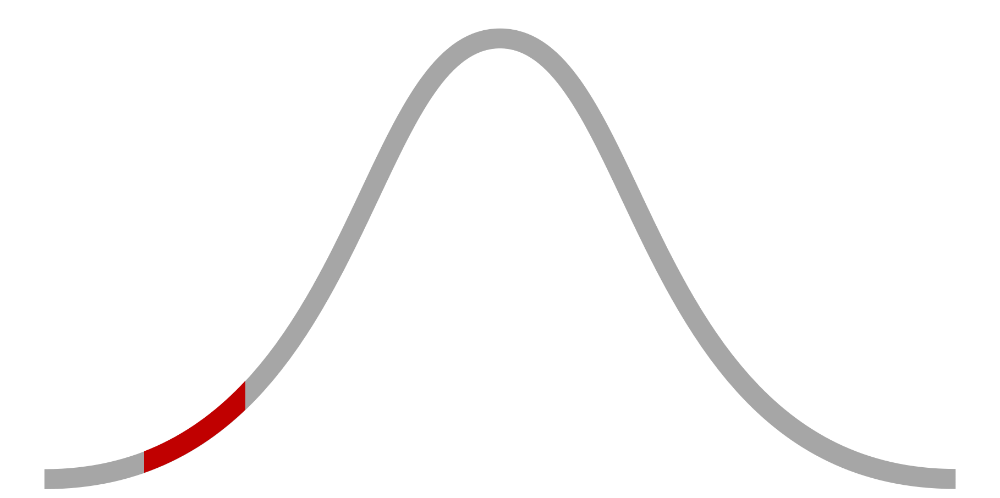
Very Low

5–10% percentile
A very low attribute score is rare because it represents 5% of the entire population. In a room with 100 other people, a person with a very low attribute score would be higher than five of them and lower than 90 of them.
Note: Feels uses a 9-point scoring scale that ranges from Ultra Low to Ultra High according to a normal distribution. See our methodology.

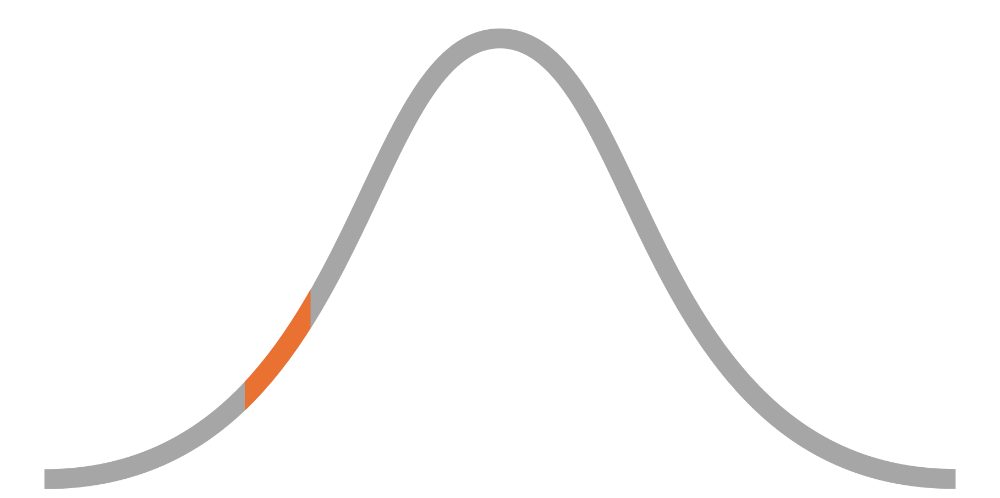
Low

10–20% percentile
A low attribute score is somewhat uncommon and represents 10% of the entire population. In a room with 100 other people, a person with a low attribute score would be higher than ten of them and lower than 80 of them.
Note: Feels uses a 9-point scoring scale that ranges from Ultra Low to Ultra High according to a normal distribution. See our methodology.

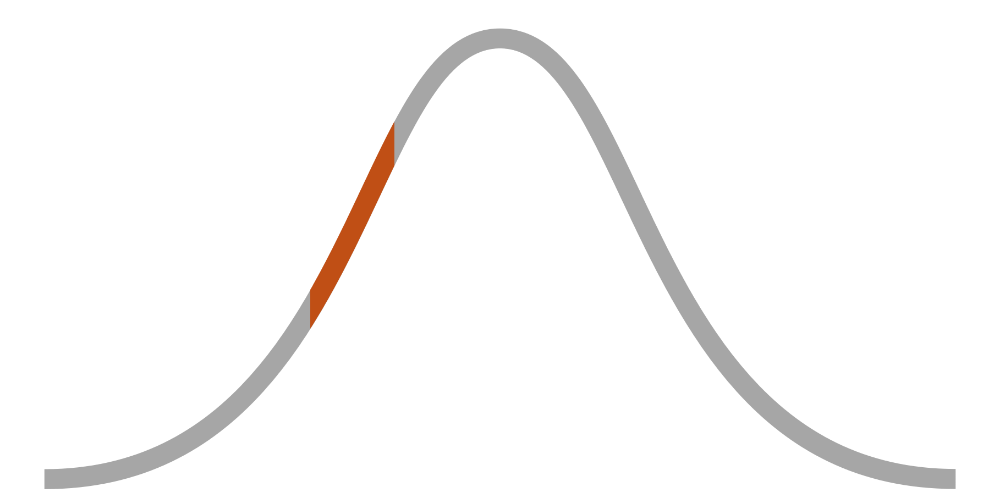
Slightly Low

20–40% percentile
A slightly low attribute score is common and represents 20% of the entire population. In a room with 100 other people, a person with a slightly low attribute score would be higher than 20 of them and lower than 60 of them.
Note: Feels uses a 9-point scoring scale that ranges from Ultra Low to Ultra High according to a normal distribution. See our methodology.

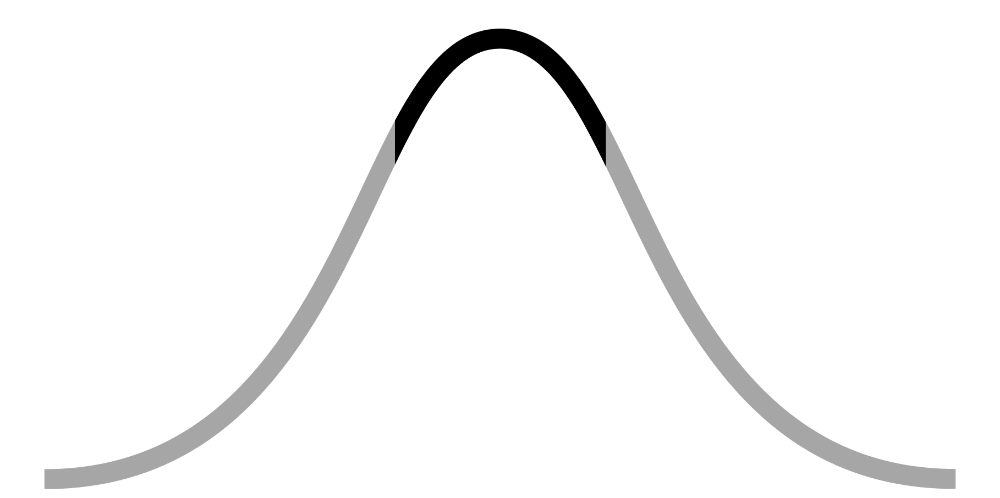
Average

40–60% percentile
An average attribute score is typical and represents 20% of the entire population. In a room with 100 other people, a person with an average attribute score would be higher than 40 of them and lower than 40 of them.
Note: Feels uses a 9-point scoring scale that ranges from Ultra Low to Ultra High according to a normal distribution. See our methodology.

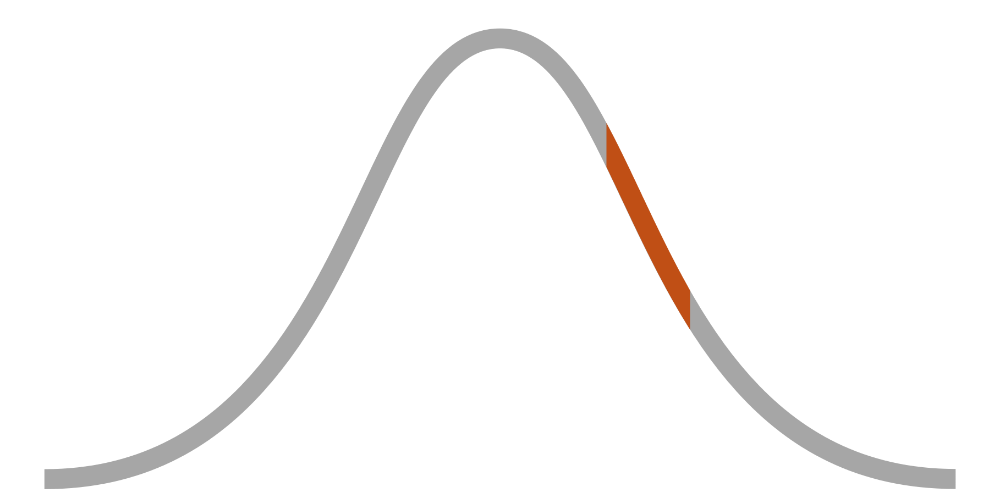
Slightly High

60–80% percentile
A slightly high attribute score is common and represents 20% of the entire population. In a room with 100 other people, a person with a slightly high attribute score would be higher than 60 of them and lower than 20 of them.
Note: Feels uses a 9-point scoring scale that ranges from Ultra Low to Ultra High according to a normal distribution. See our methodology.

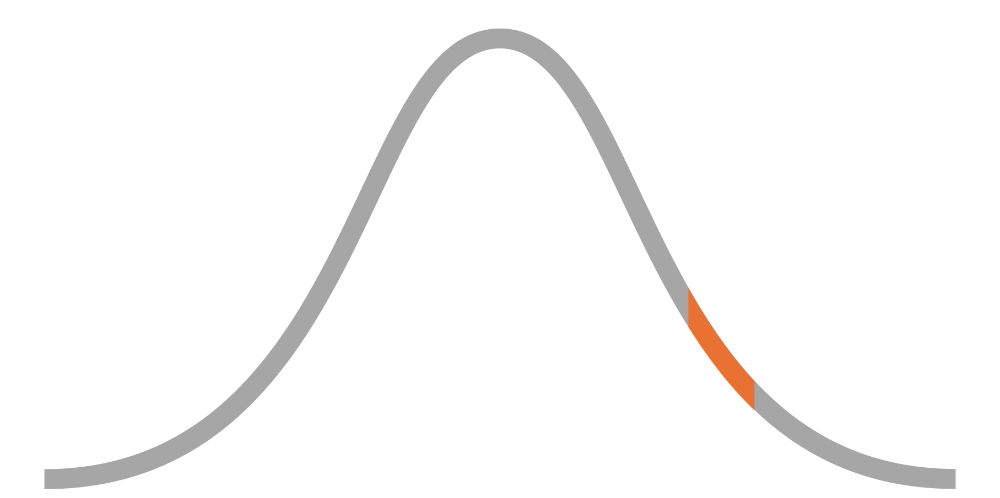
High

80–90% percentile
A high attribute score is somewhat uncommon and represents 10% of the entire population. In a room with 100 other people, a person with a high attribute score would be higher than 80 of them and lower than 10 of them.
Note: Feels uses a 9-point scoring scale that ranges from Ultra Low to Ultra High according to a normal distribution. See our methodology.

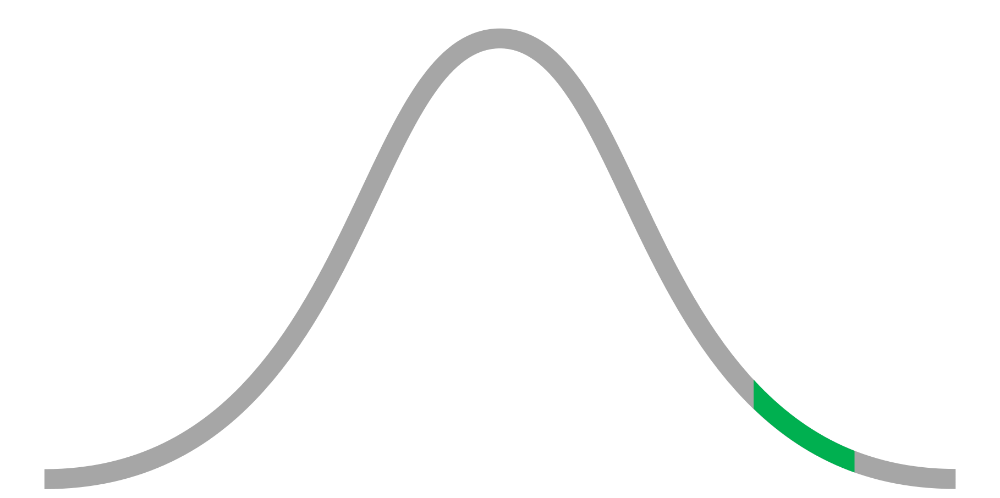
Very High

90–95% percentile
A very high attribute score is rare because it represents 5% of the entire population. In a room with 100 other people, a person with a very high attribute score would be higher than 90 of them and lower than five of them.
Note: Feels uses a 9-point scoring scale that ranges from Ultra Low to Ultra High according to a normal distribution. See our methodology.

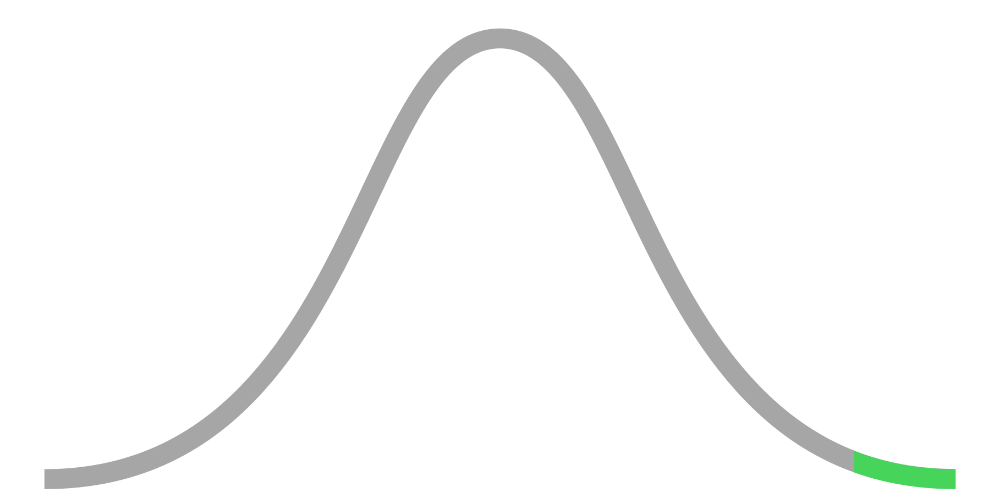
Ultra High

95–100% percentile
An ultra high attribute score is exceptionally rare because it represents 5% of the entire population. In a room with 100 other people, a person with an ultra high attribute score would be higher than 95 of them and lower than none of them.
Note: Feels uses a 9-point scoring scale that ranges from Ultra Low to Ultra High according to a normal distribution. See our methodology.