
Info
Legal
© 2025 Feels Co.

Hand pointing up icon Summary & key points

In the hit movie There Will Be Blood (2007), Daniel Plainview (played by Daniel Day Lewis) is a silver-miner turned oil tycoon during the California oil rush in the late 1800s. Plainview gained his fortune by purchasing land that had oil, and by using cunning tactics against those in competition with him. When he encounters Eli Sunday, a man devoted to his faith, Plainview tricks him and his family for land that contains oil. Years later, Eli is a radio preacher and visits a wealthy but intoxicated Plainview at his bowling alley. Eli sought to propose a partnership for land, but Plainview demands that Eli renounce his faith. As Eli becomes more upset, Plainview discloses that he took all the oil and berates Eli for his life outcomes. The drainage of oil from land served as the figure of speech for Plainview's iconic phrase: "I drink your milkshake." As Eli cries, Plainview attacks him mercilessly. The clips' dialogue contains many words and phrases related to negative affect, particularly humiliation and taunting. This, and Plainview's excitement over Eli's sad state demonstrates a well above-average example of the Emotion attribute.
Feels Score: 7 in
Carrie's walk and outfit through NYC gets ruined by water

Hand pointing up icon Summary & key points

Carrie Bradshaw is walking through New York City and plotting her next move right before a car passing by splashes her with water.

Hand pointing up icon Summary & key points

In the hit Netflix documentary Famous Last Words: Dr. Jane Goodall (2025), Jane Goodall shared her thoughts on a variety of subjects before she passed away on October 1, 2025. Throughout the promotional clip, Goodall reflects on her life, accomplishments, and trials, all before giving advice to the next generation about living a meaningful life. The depth and extent of information shared by Goodall demonstrates a well above-average example of the Volubility attribute.
Feels Score: 7 in

Hand pointing up icon Summary & key points

In season 2, episode 1 ("Summer, Kind of Wonderful") of the hit TV show Gossip Girl (2009), high schooler Blair Waldorf is about to leave on a date when she finds herself talking to her on-off romantic partner, Chuck. Before she leaves with another man, Blair asks Chuck to declare his love by saying "three words, eight letters," implying that she wants him to say "I love you." When Chuck hesitates, Blair says "thank you" and proceeds to get in the car with her date. Blair's cold words and affect related to her romance with Chuck demonstrates a below-average example of the Emotion attribute.
Feels Score: 4 in

Hand pointing up icon Summary & key points

Agent Smith attacks Neo after a cordial exchange, all the whole keeping his manners in check.
Feels Score: 9 in

Hand pointing up icon Summary & key points

Jim questions William about Delos investing in the Westworld theme park.
Feels Score: 3 in

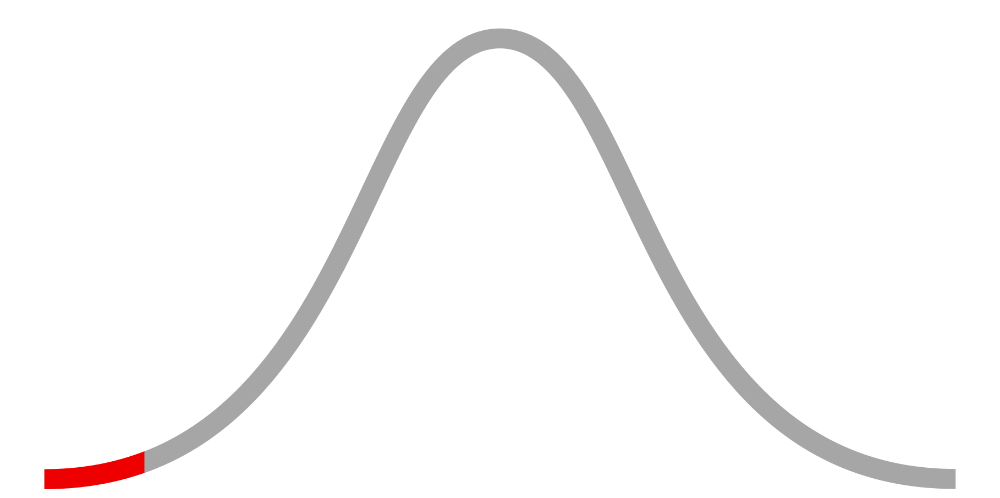
Ultra Low

0–5% percentile
An ultra low attribute score is exceptionally rare because it represents 5% of the entire population. In a room with 100 other people, a person with an ultra low attribute score would be lower than 95 of them and higher than none of them.
Note: Feels uses a 9-point scoring scale that ranges from Ultra Low to Ultra High according to a normal distribution. See our methodology.

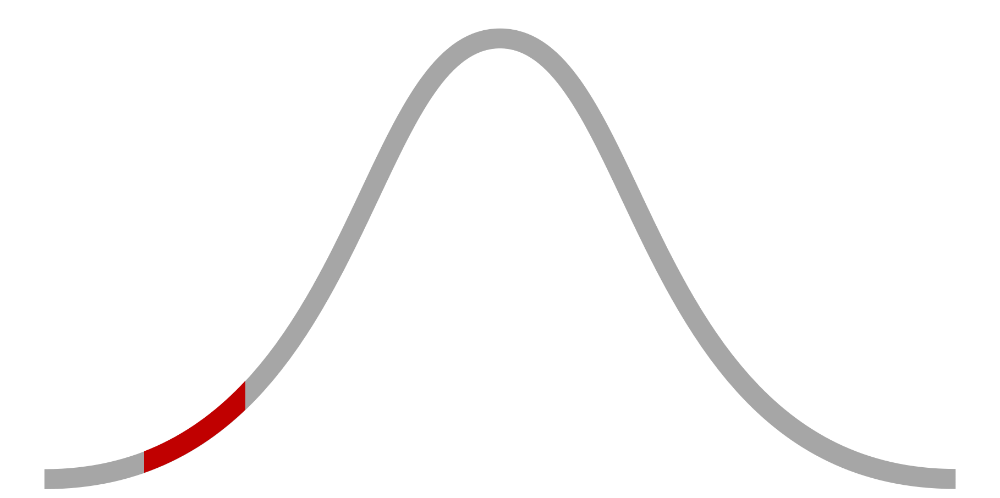
Very Low

5–10% percentile
A very low attribute score is rare because it represents 5% of the entire population. In a room with 100 other people, a person with a very low attribute score would be higher than five of them and lower than 90 of them.
Note: Feels uses a 9-point scoring scale that ranges from Ultra Low to Ultra High according to a normal distribution. See our methodology.

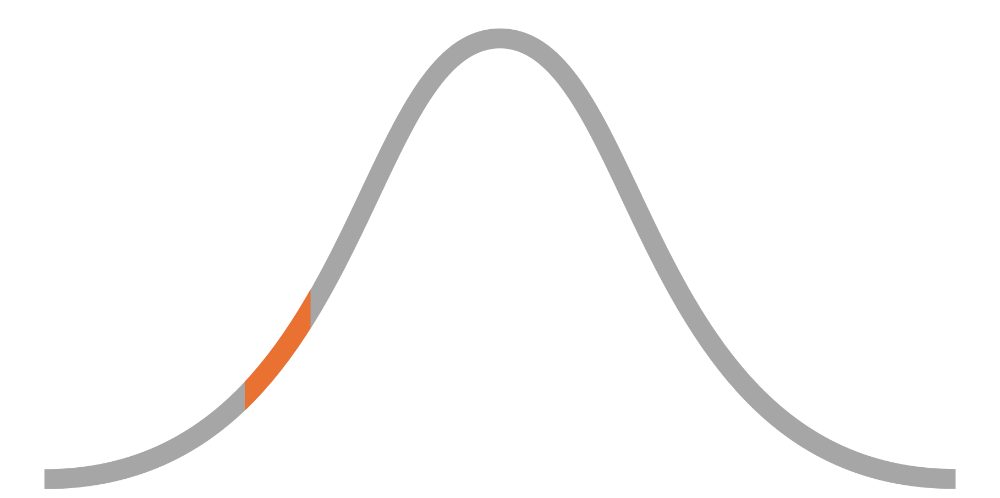
Low

10–20% percentile
A low attribute score is somewhat uncommon and represents 10% of the entire population. In a room with 100 other people, a person with a low attribute score would be higher than ten of them and lower than 80 of them.
Note: Feels uses a 9-point scoring scale that ranges from Ultra Low to Ultra High according to a normal distribution. See our methodology.

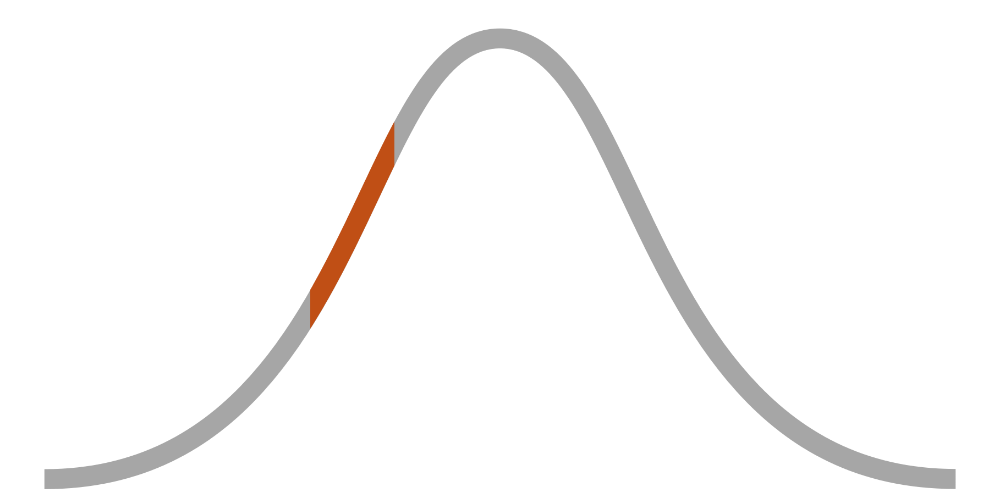
Slightly Low

20–40% percentile
A slightly low attribute score is common and represents 20% of the entire population. In a room with 100 other people, a person with a slightly low attribute score would be higher than 20 of them and lower than 60 of them.
Note: Feels uses a 9-point scoring scale that ranges from Ultra Low to Ultra High according to a normal distribution. See our methodology.

Average

40–60% percentile
An average attribute score is typical and represents 20% of the entire population. In a room with 100 other people, a person with an average attribute score would be higher than 40 of them and lower than 40 of them.
Note: Feels uses a 9-point scoring scale that ranges from Ultra Low to Ultra High according to a normal distribution. See our methodology.

Slightly High

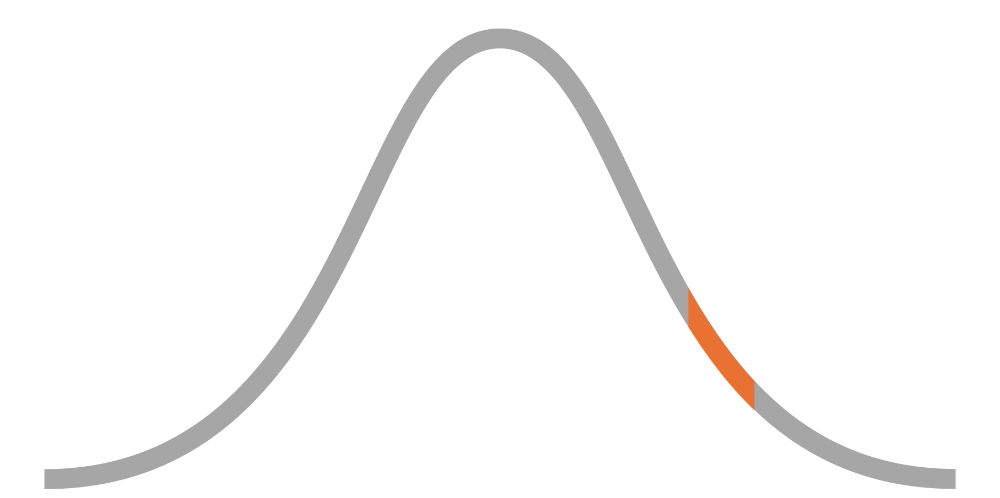
60–80% percentile
A slightly high attribute score is common and represents 20% of the entire population. In a room with 100 other people, a person with a slightly high attribute score would be higher than 60 of them and lower than 20 of them.
Note: Feels uses a 9-point scoring scale that ranges from Ultra Low to Ultra High according to a normal distribution. See our methodology.

High

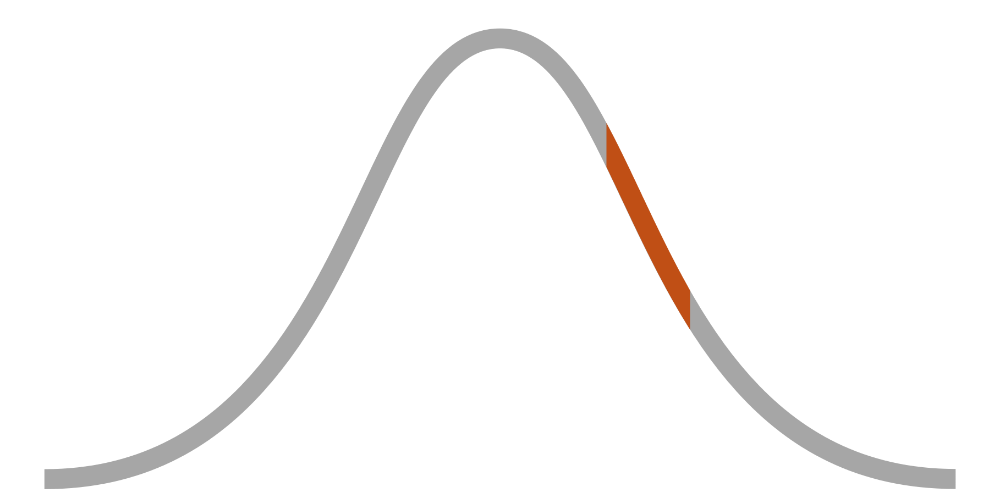
80–90% percentile
A high attribute score is somewhat uncommon and represents 10% of the entire population. In a room with 100 other people, a person with a high attribute score would be higher than 80 of them and lower than 10 of them.
Note: Feels uses a 9-point scoring scale that ranges from Ultra Low to Ultra High according to a normal distribution. See our methodology.

Very High

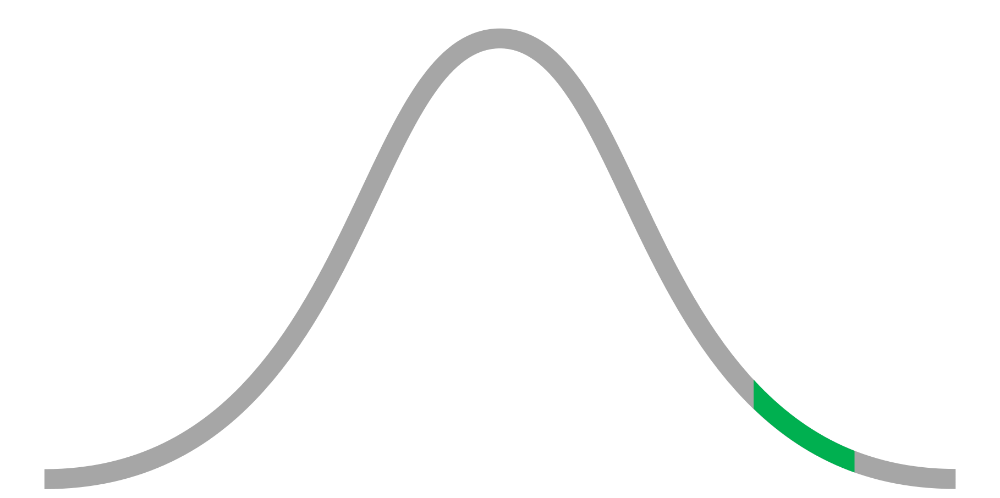
90–95% percentile
A very high attribute score is rare because it represents 5% of the entire population. In a room with 100 other people, a person with a very high attribute score would be higher than 90 of them and lower than five of them.
Note: Feels uses a 9-point scoring scale that ranges from Ultra Low to Ultra High according to a normal distribution. See our methodology.

Ultra High

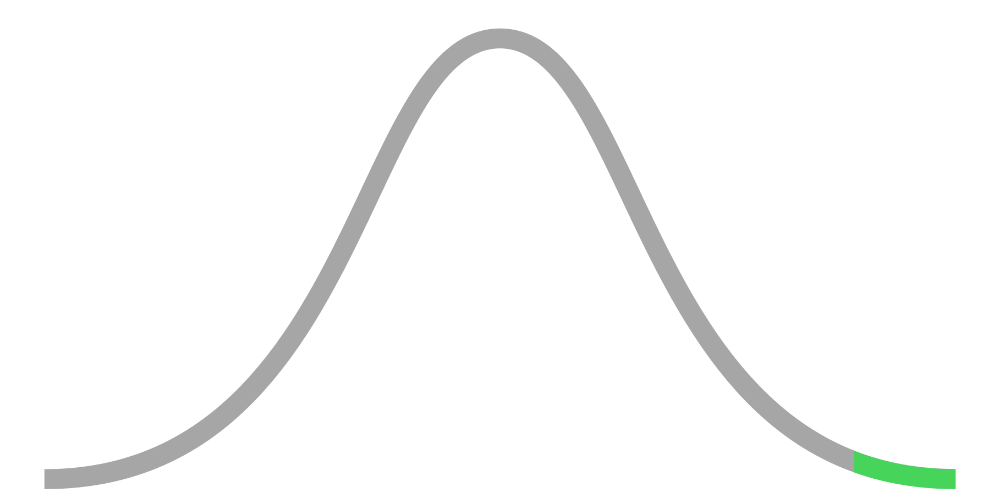
95–100% percentile
An ultra high attribute score is exceptionally rare because it represents 5% of the entire population. In a room with 100 other people, a person with an ultra high attribute score would be higher than 95 of them and lower than none of them.
Note: Feels uses a 9-point scoring scale that ranges from Ultra Low to Ultra High according to a normal distribution. See our methodology.