
Info
Legal
© 2025 Feels Co.

Hand pointing up icon Summary & key points

On June 15, 2012, South Korean K-pop artist Psy stunned the world with the release of his hit single called "Gangnam Style (강남스타일)." The viral music video features lots of action, amusing dance routines, and bright colors. The lyrics of the song discuss the culture of affluent individuals in the Gangnam region of South Korea. Moreso, Psy's lyrics describe nightlife, his behavior, attitudes towards potential romantic partners, and his affluent lifestyle. Psy's inclusion of enough details without disclosing more sensitive information demonstrates a typical example of the Specificity attribute.
Feels Score: 5 in

Hand pointing up icon Summary & key points

In the hit movie Gangs of New York (2002), Bill "The Butcher" Cutting (played by Daniel Day Lewis) is a butcher and local gang leader in the early 1860s. While working at his butcher shop on an average day, a young man named Amsterdam Vallon is shadowing him. Bill gives the young man a knife and proceeds to explain the proper way to kill a pig. A dead pig was conveniently hanging next to him. Bill begins by describing the anatomy of a pig, and what to expect when stabbing the pig in different parts of the body. He says "this is a kill" after each stab. Amsterdam then starts taking stabs at the pig in the same manner described. Bill the Butcher's use of technical but understandable language related to his profession demonstrates an above average example of the Specificity attribute.
Feels Score: 6 in

Hand pointing up icon Summary & key points

In the hit movie The Wolf of Wall Street (2013), successful financer Jordan Belfort finds himself on his own boat being visited by FBI agents for financial crimes of a criminal nature. Very serious. He cordially invites them up to his boat and engages in 15 minutes of conversation warm up before the two agents and the focused-eyed Belfort begin to talk about brass tax. Belfort suggests, in so few words, that he is willing to do anything within his power to make peoples' lives better, including applying his experience and money. The FBI agent interprets this as a clear bribe, and breaks protocol by asking Jordan to repeat it again because he believes that Jordan has incriminated himself terribly. Comedic dialogue proceeds thereafter. Belfort’s knowledge of the law seemingly influenced his lack of details for how the crime would work in a logistical manner, which would constitute evidence of committing a bribery crime.  Belfort's selective word choices intended to dilute clarity in order to avoid self-incrimination demonstrate communication well below average in the Specificity attribute.
Feels Score: 2 in

Hand pointing up icon Summary & key points

In their smash hit Paint it Black (1966), the English rock band known as The Rolling Stones recorded a song that would gain worldwide fame and recognition. The lyrics of the song prominently feature references to colors, coloration modifiers, and visual sense perception. The repeated use of words and phrases related to physical sense perception emphasizes the Sensation attribute.
Feels Score: 7 in

Hand pointing up icon Summary & key points

In the hit movie The Batman (2022), a young Bruce Wayne played by Robert Pattinson delivers an opening monologue via a journal entry on a rainy night after the Mayor of Gotham City has been murdered. Batman describes the weather, presence of people, his years-long night-time habits, and nature of crime in the city. He notes that "fear is a tool" for would-be criminals because the city is too large and he can't be everywhere. The clip shows crime scenes in progress and ends with Batman stating that because of fear, "They think I'm hiding in the shadows – but I am the shadows." Batman seldomly uses language related to sensory perception, and instead focuses on describing people and crime, which demonstrates a below-average example of the Sensation attribute.
Feels Score: 4 in

Hand pointing up icon Summary & key points

The Man in Black from Westworld disrupts a therapy session and shares his views of the world and people.
Feels Score: 4 in

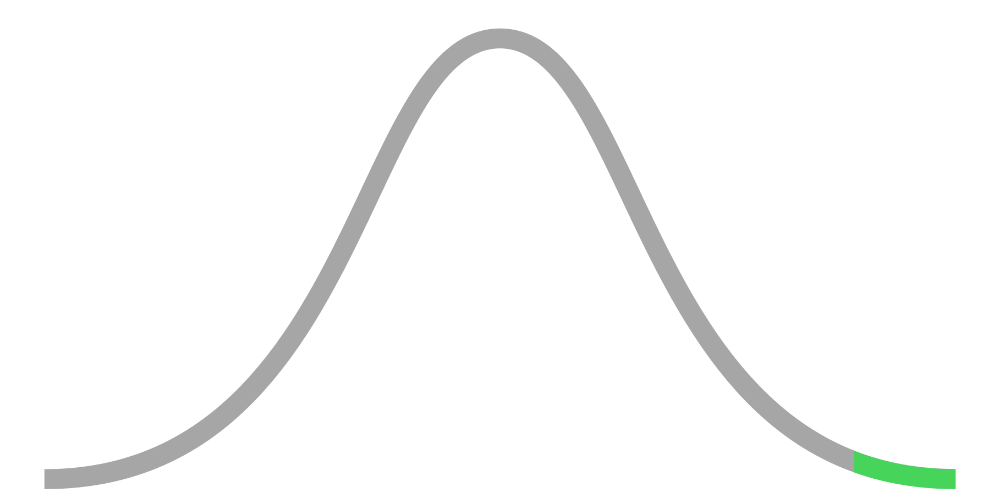
Ultra Low

0–5% percentile
An ultra low attribute score is exceptionally rare because it represents 5% of the entire population. In a room with 100 other people, a person with an ultra low attribute score would be lower than 95 of them and higher than none of them.
Note: Feels uses a 9-point scoring scale that ranges from Ultra Low to Ultra High according to a normal distribution. See our methodology.

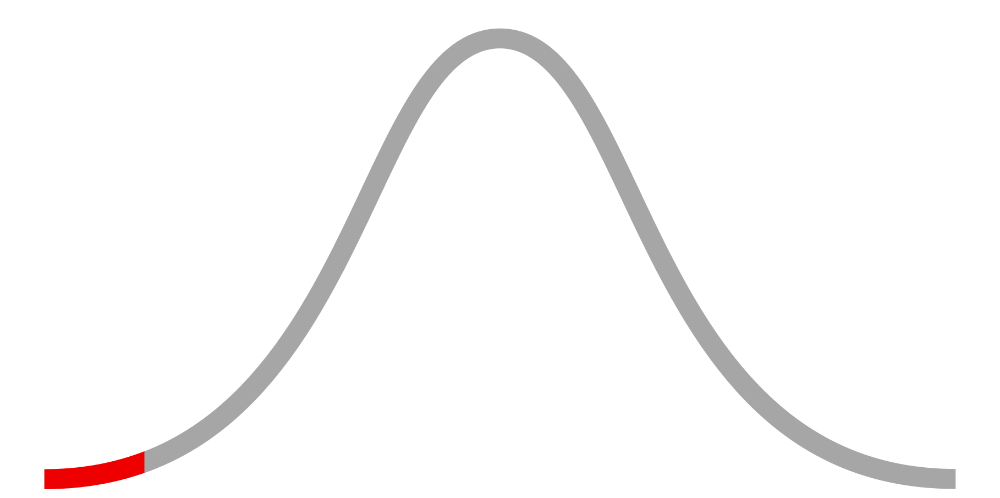
Very Low

5–10% percentile
A very low attribute score is rare because it represents 5% of the entire population. In a room with 100 other people, a person with a very low attribute score would be higher than five of them and lower than 90 of them.
Note: Feels uses a 9-point scoring scale that ranges from Ultra Low to Ultra High according to a normal distribution. See our methodology.

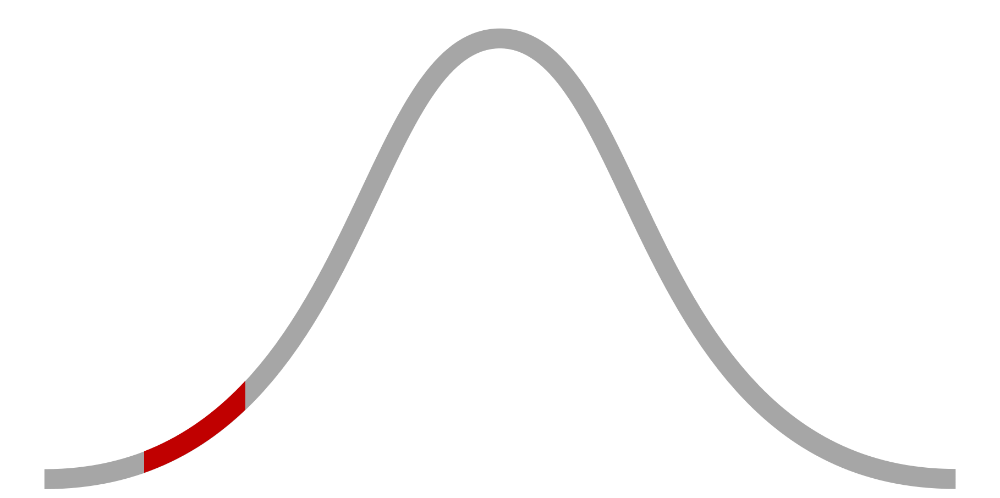
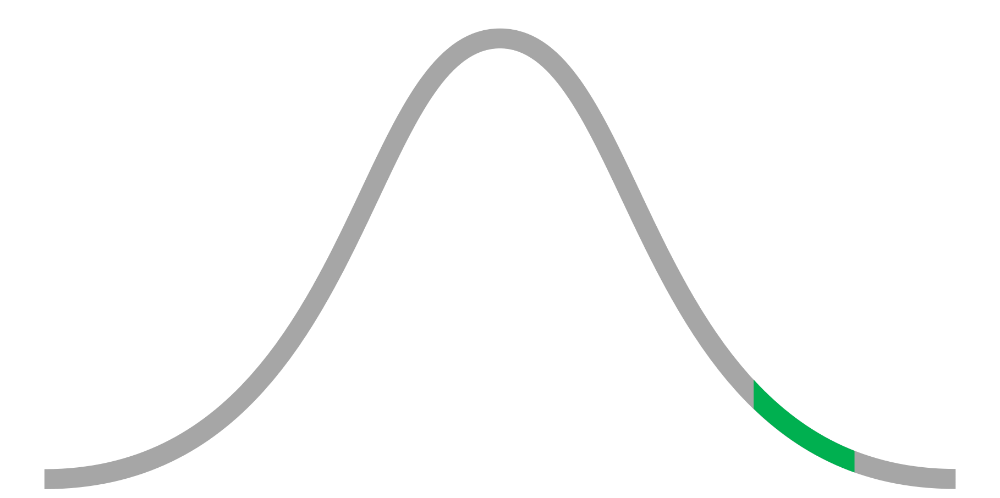
Low

10–20% percentile
A low attribute score is somewhat uncommon and represents 10% of the entire population. In a room with 100 other people, a person with a low attribute score would be higher than ten of them and lower than 80 of them.
Note: Feels uses a 9-point scoring scale that ranges from Ultra Low to Ultra High according to a normal distribution. See our methodology.

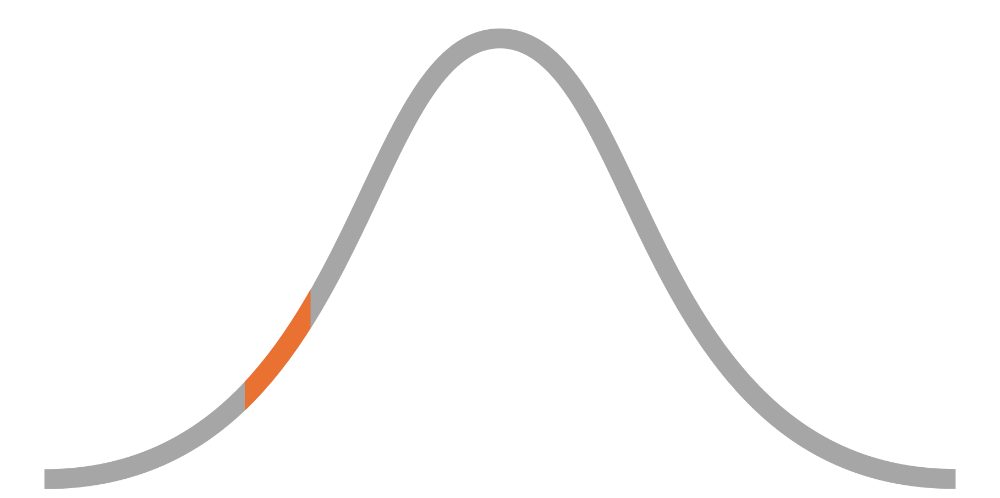
Slightly Low

20–40% percentile
A slightly low attribute score is common and represents 20% of the entire population. In a room with 100 other people, a person with a slightly low attribute score would be higher than 20 of them and lower than 60 of them.
Note: Feels uses a 9-point scoring scale that ranges from Ultra Low to Ultra High according to a normal distribution. See our methodology.

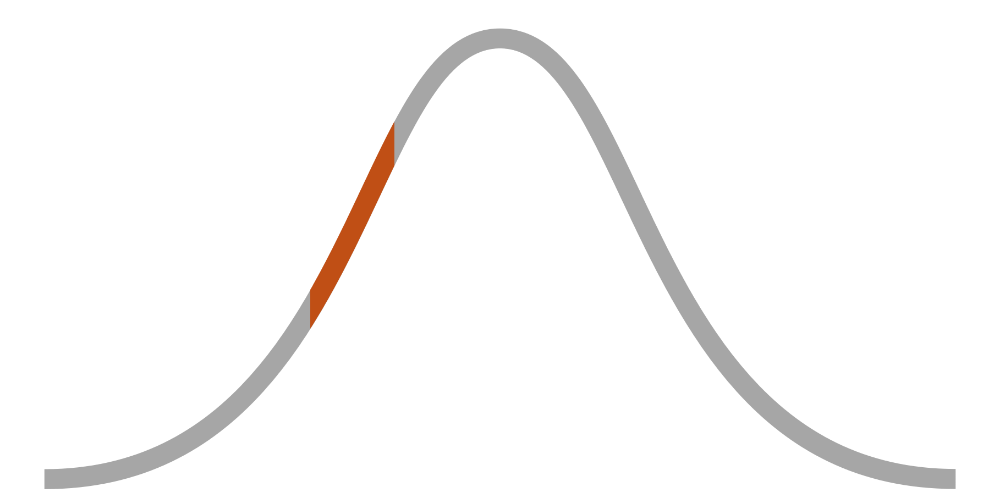
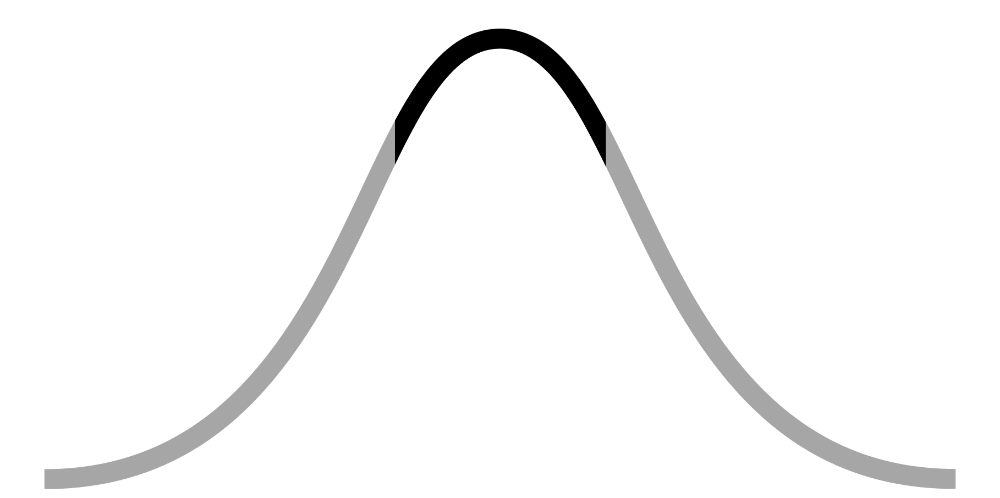
Average

40–60% percentile
An average attribute score is typical and represents 20% of the entire population. In a room with 100 other people, a person with an average attribute score would be higher than 40 of them and lower than 40 of them.
Note: Feels uses a 9-point scoring scale that ranges from Ultra Low to Ultra High according to a normal distribution. See our methodology.

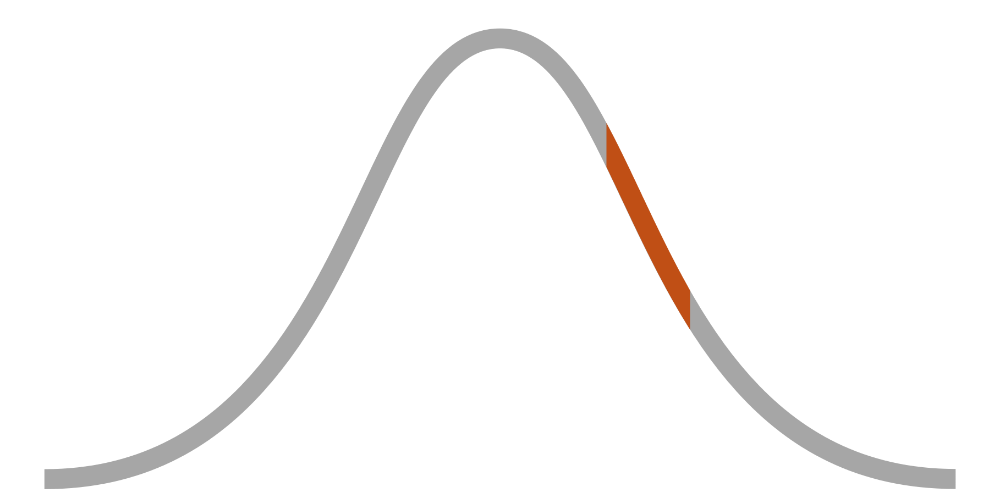
Slightly High

60–80% percentile
A slightly high attribute score is common and represents 20% of the entire population. In a room with 100 other people, a person with a slightly high attribute score would be higher than 60 of them and lower than 20 of them.
Note: Feels uses a 9-point scoring scale that ranges from Ultra Low to Ultra High according to a normal distribution. See our methodology.

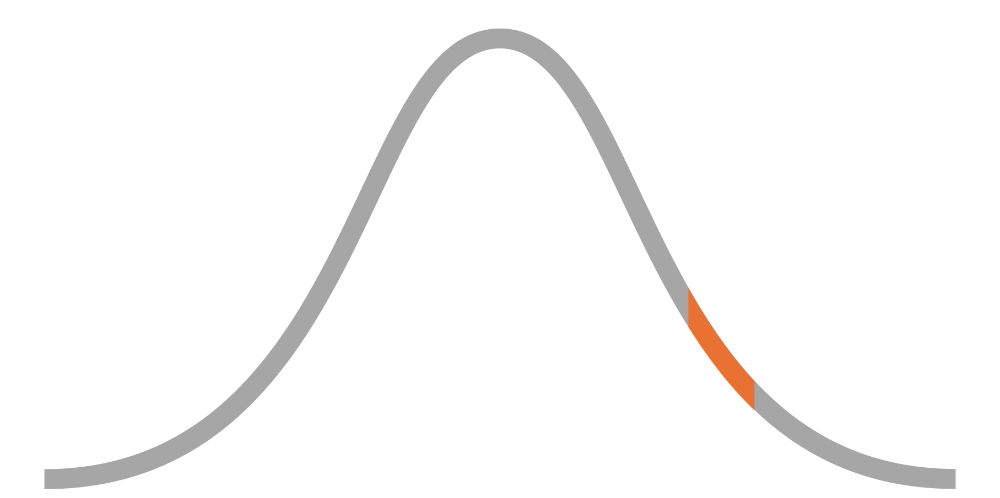
High

80–90% percentile
A high attribute score is somewhat uncommon and represents 10% of the entire population. In a room with 100 other people, a person with a high attribute score would be higher than 80 of them and lower than 10 of them.
Note: Feels uses a 9-point scoring scale that ranges from Ultra Low to Ultra High according to a normal distribution. See our methodology.

Very High

90–95% percentile
A very high attribute score is rare because it represents 5% of the entire population. In a room with 100 other people, a person with a very high attribute score would be higher than 90 of them and lower than five of them.
Note: Feels uses a 9-point scoring scale that ranges from Ultra Low to Ultra High according to a normal distribution. See our methodology.

Ultra High

95–100% percentile
An ultra high attribute score is exceptionally rare because it represents 5% of the entire population. In a room with 100 other people, a person with an ultra high attribute score would be higher than 95 of them and lower than none of them.
Note: Feels uses a 9-point scoring scale that ranges from Ultra Low to Ultra High according to a normal distribution. See our methodology.