
Info
Legal
© 2025 Feels Co.

Hand pointing up icon Summary & key points

In season 2, episode 24 ("Valley Girls") of the hit TV show Gossip Girl (2009), high schooler Blair Waldorf is vying for prom queen as she discovers new information about her progress. During the prom queen announcement portion of the school function, Blair accuses Chuck of sabotaging her with fake votes against her. However, others were scheming against Blair and Chuck actually submitted 150 votes in order to help Blair win prom queen. Blair's use of deductive reasoning and analyses of Chuck's actions, although incorrect, demonstrate an above-average example of the Inference attribute.
Feels Score: 6 in
Carrie's walk and outfit through NYC gets ruined by water

Hand pointing up icon Summary & key points

Carrie Bradshaw is walking through New York City and plotting her next move right before a car passing by splashes her with water.

Hand pointing up icon Summary & key points

In Katy Perry's hit single "Roar" (2013), the musical artist inspired millions around the world to embrace their own inner spirit animal. The powerful lyrics feature nature and wild animals as a core theme. However, listeners are left with many questions regarding many ambiguous lines. For example, the phrase "You held me down, but I got up (hey)" begs several questions: who is Perry referring to and what incident is she referencing, if real at all? It could be a figure of speech or a literal reference to the tragedy of domestic abuse. Lines like these and "I let you push me past the breaking point / I stood for nothing, so I fell for everything" require context not provided by Katy Perry, and this lack of detail demonstrates a well below-average example of the Specificity attribute.
Feels Score: 3 in
Boxer Oleksandr Usyk feels ready to fight Fury with this walkout!

Hand pointing up icon Summary & key points

Oleksandr Usyk's walkout in his 2024 fight against Tyson Fury was one for the record books. Given the bright lights and costume, it's no wonder he felt ready to fight. He also won the fight.

Hand pointing up icon Summary & key points

It’s time to go beyond legacy methods of detecting plagiarism or AI-generated content. The Linguistic Fingerprint™ by LINGA is a revolutionary language analysis technology that sits at the intersection of linguistics, psychology, and computer science. It’s an entirely new way of identifying a person in the form-factors of speech and writing. Linguistic self-discovery awaits.
Feels Score: 9 in

Hand pointing up icon Summary & key points

In the hit Netflix documentary Famous Last Words: Dr. Jane Goodall (2025), Jane Goodall shared her thoughts on a variety of subjects before she passed away on October 1, 2025. Throughout the promotional clip, Goodall reflects on her life, accomplishments, and trials, all before giving advice to the next generation about living a meaningful life. The depth and extent of information shared by Goodall demonstrates a well above-average example of the Volubility attribute.
Feels Score: 7 in

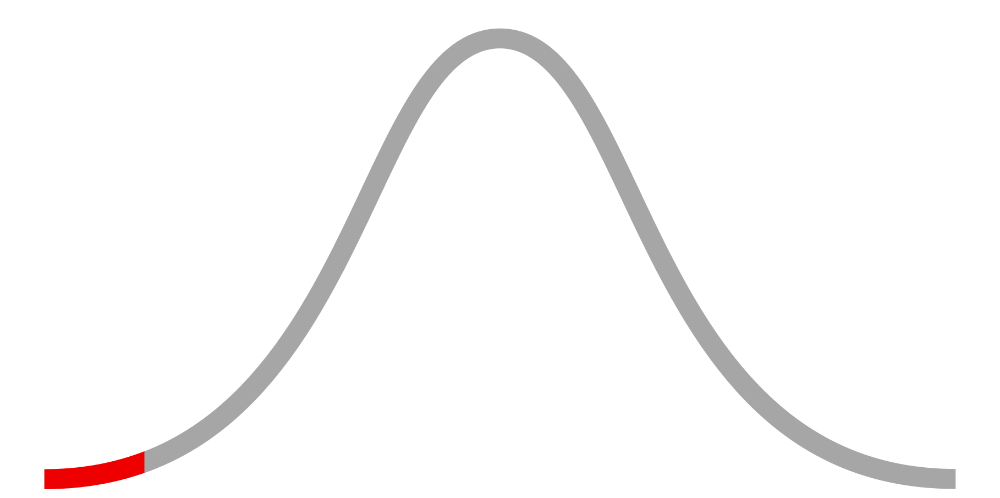
Ultra Low

0–5% percentile
An ultra low attribute score is exceptionally rare because it represents 5% of the entire population. In a room with 100 other people, a person with an ultra low attribute score would be lower than 95 of them and higher than none of them.
Note: Feels uses a 9-point scoring scale that ranges from Ultra Low to Ultra High according to a normal distribution. See our methodology.

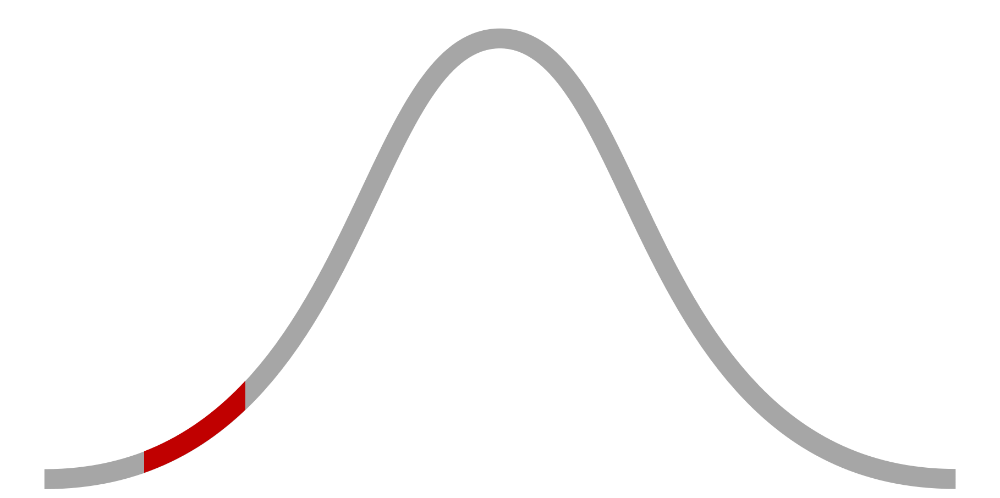
Very Low

5–10% percentile
A very low attribute score is rare because it represents 5% of the entire population. In a room with 100 other people, a person with a very low attribute score would be higher than five of them and lower than 90 of them.
Note: Feels uses a 9-point scoring scale that ranges from Ultra Low to Ultra High according to a normal distribution. See our methodology.

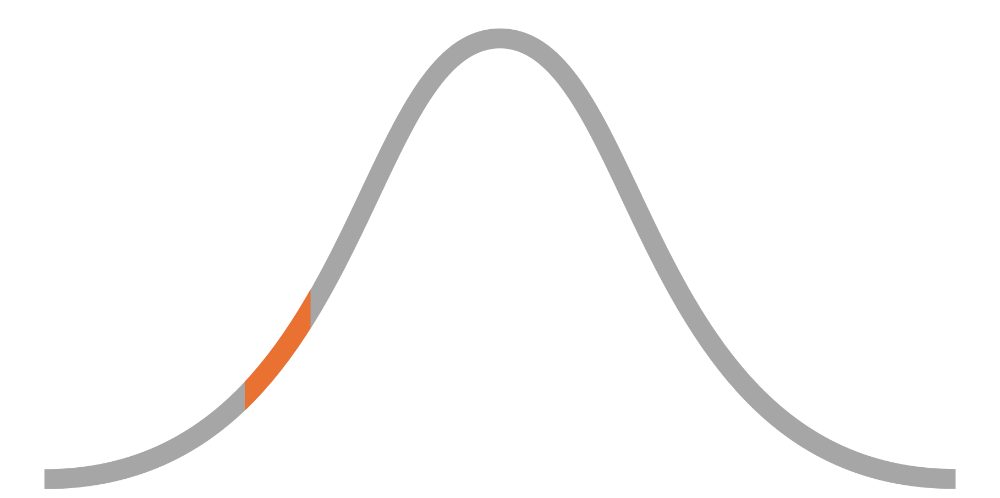
Low

10–20% percentile
A low attribute score is somewhat uncommon and represents 10% of the entire population. In a room with 100 other people, a person with a low attribute score would be higher than ten of them and lower than 80 of them.
Note: Feels uses a 9-point scoring scale that ranges from Ultra Low to Ultra High according to a normal distribution. See our methodology.

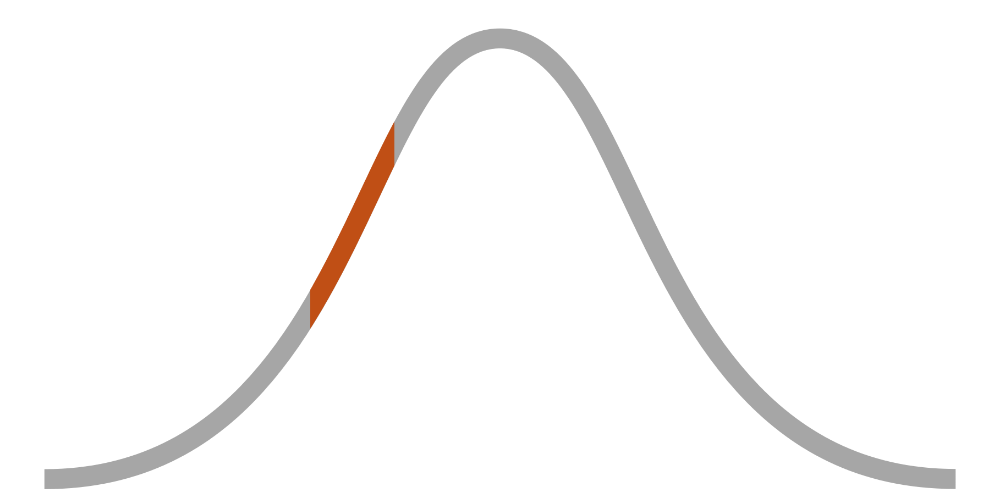
Slightly Low

20–40% percentile
A slightly low attribute score is common and represents 20% of the entire population. In a room with 100 other people, a person with a slightly low attribute score would be higher than 20 of them and lower than 60 of them.
Note: Feels uses a 9-point scoring scale that ranges from Ultra Low to Ultra High according to a normal distribution. See our methodology.

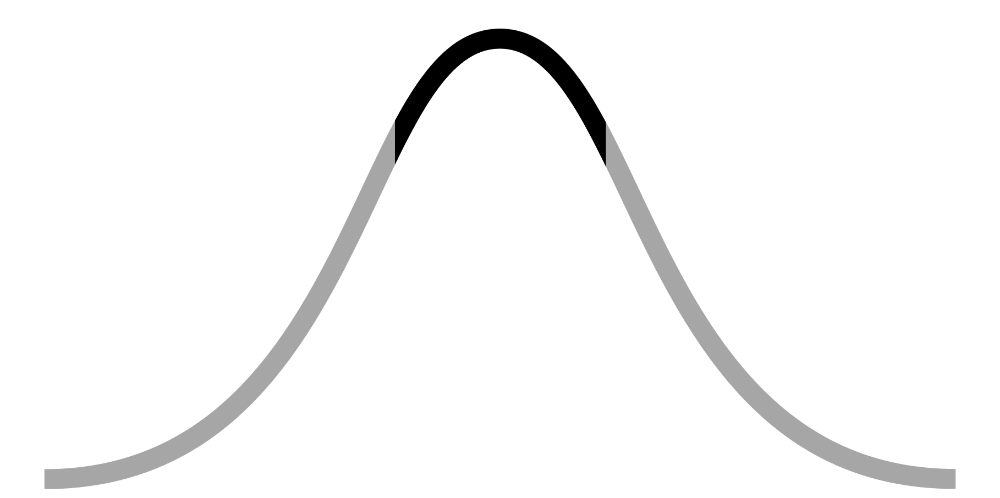
Average

40–60% percentile
An average attribute score is typical and represents 20% of the entire population. In a room with 100 other people, a person with an average attribute score would be higher than 40 of them and lower than 40 of them.
Note: Feels uses a 9-point scoring scale that ranges from Ultra Low to Ultra High according to a normal distribution. See our methodology.

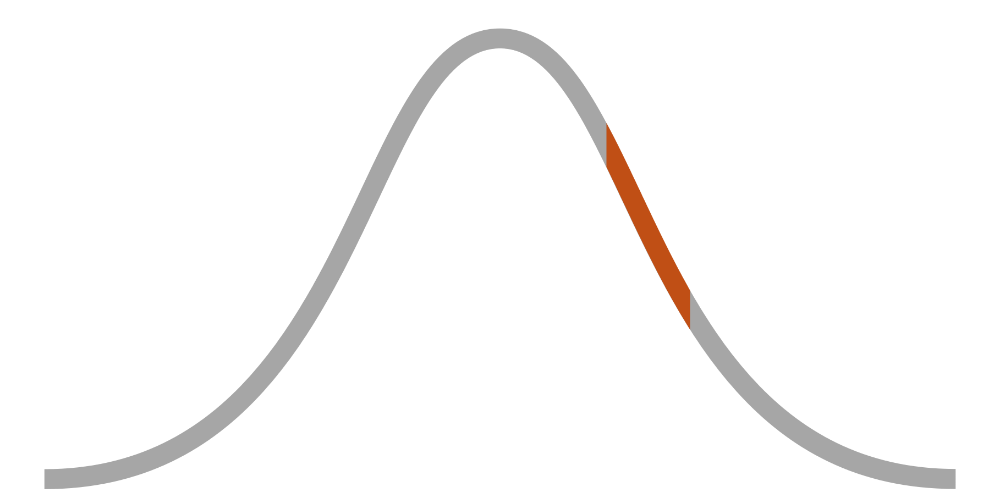
Slightly High

60–80% percentile
A slightly high attribute score is common and represents 20% of the entire population. In a room with 100 other people, a person with a slightly high attribute score would be higher than 60 of them and lower than 20 of them.
Note: Feels uses a 9-point scoring scale that ranges from Ultra Low to Ultra High according to a normal distribution. See our methodology.

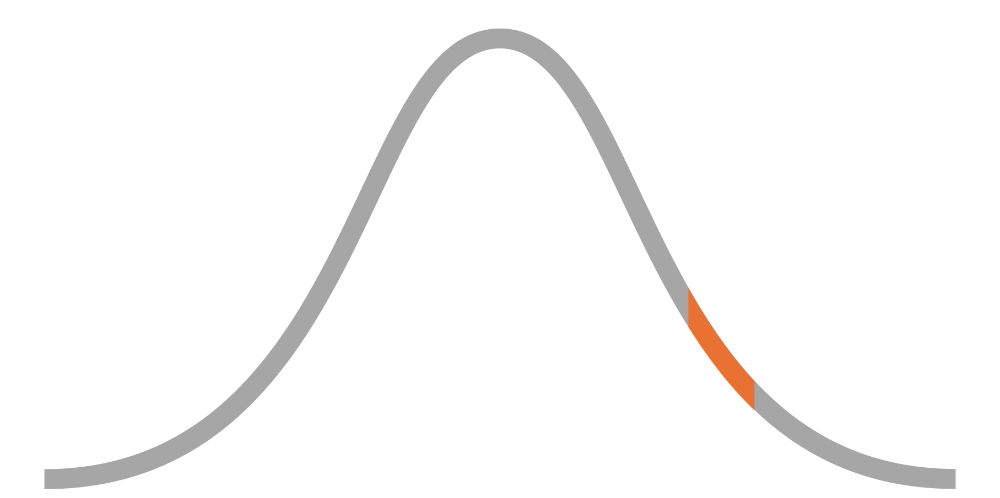
High

80–90% percentile
A high attribute score is somewhat uncommon and represents 10% of the entire population. In a room with 100 other people, a person with a high attribute score would be higher than 80 of them and lower than 10 of them.
Note: Feels uses a 9-point scoring scale that ranges from Ultra Low to Ultra High according to a normal distribution. See our methodology.

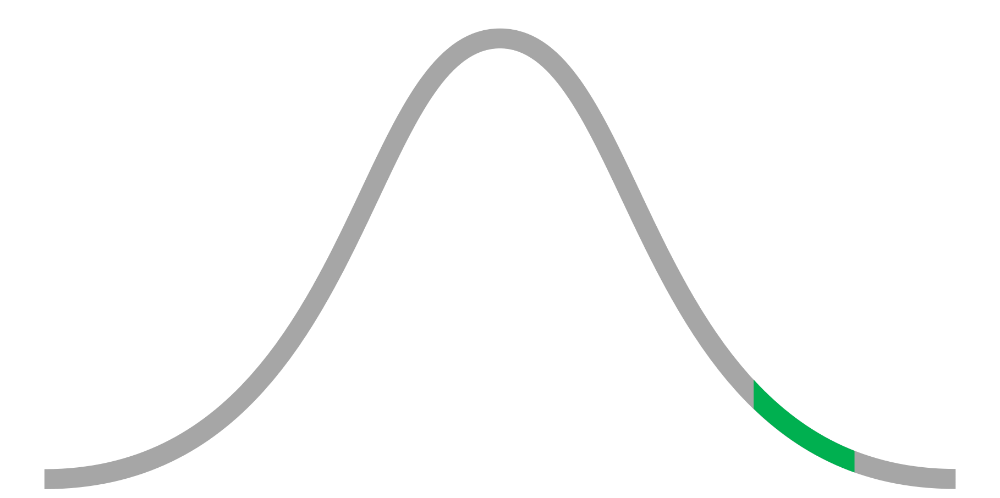
Very High

90–95% percentile
A very high attribute score is rare because it represents 5% of the entire population. In a room with 100 other people, a person with a very high attribute score would be higher than 90 of them and lower than five of them.
Note: Feels uses a 9-point scoring scale that ranges from Ultra Low to Ultra High according to a normal distribution. See our methodology.

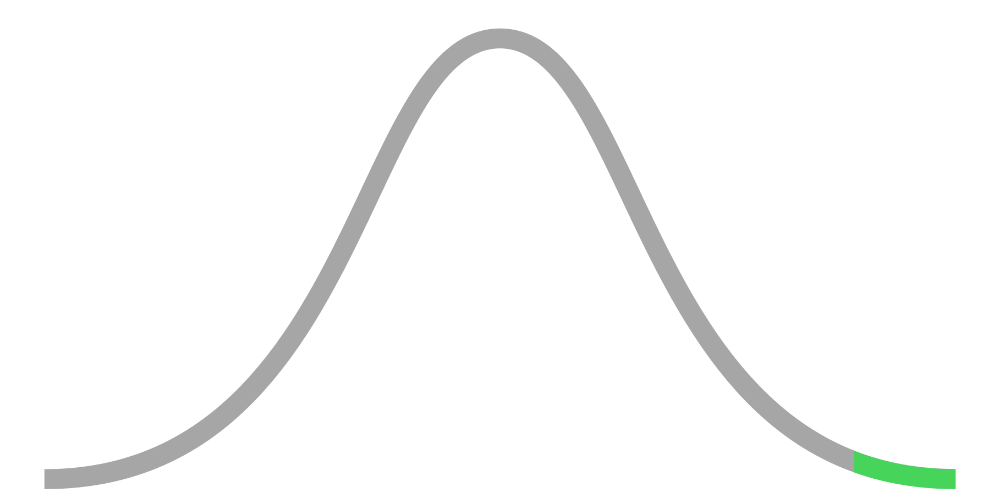
Ultra High

95–100% percentile
An ultra high attribute score is exceptionally rare because it represents 5% of the entire population. In a room with 100 other people, a person with an ultra high attribute score would be higher than 95 of them and lower than none of them.
Note: Feels uses a 9-point scoring scale that ranges from Ultra Low to Ultra High according to a normal distribution. See our methodology.